

Beyond the Screen: Why We Find Our Healing in Cinematic Worlds
Film series like Harry Potter, The Hunger Games, and Wicked have done more than just dominate the box office; they’ve cultivated "cult" followings that span generations. With incredible cinematography and soaring scores, these films do something rare: they create worlds we imagine ourselves living in.
Film series like Harry Potter, The Hunger Games, and Wicked have done more than just dominate the box office; they’ve cultivated "cult" followings that span generations. With incredible cinematography and soaring scores, these films do something rare: they create worlds we imagine ourselves living in.
I recently saw trailers and headlines for the new Harry Potter series and the latest movie in the Hunger Games series. Despite the fact that the original movies premiered well over 10 or 20 years ago, these series never seem to lose forward momentum and keep fans new and old coming back for more. As a fan of both series, I was particularly excited to see new versions of my favorite series coming to life. But what is it about these movies that continue to capture our attention? What causes us to rewatch again and again and mark our calendars with release dates?
Rewatching these stories and returning for every new iteration offers more than just nostalgia; it provides the emotional corrective experience we all crave (When a TV Show Feels Like Therapy: The Power of Corrective Emotional Experiences). However, I believe the connection goes deeper. When we see ourselves in these characters, we aren't just observers—we are participants. We project ourselves into their dilemmas, imagining how we would face their trials and, in turn, how we might be freed from our own demons. Their victories become a blueprint for our own. Across franchises like Harry Potter, The Hunger Games, and Wicked, a consistent theme emerges: the corruption of institutional power. These systems are initially framed as benevolent, protective, or "necessary" for the greater good. Yet, as the narrative unfolds, we witness the profound damage caused by any system permitted to operate without accountability.
These films portray a similar story of trauma that I hear every week in my therapy office. Stories about systems of power, control, and abuse that take advantage of small, helpless victims. The system is too big and powerful to be silenced or stopped, so the victim lives in isolation. The system might be big, like organized religion or government. Or the system might be small, like a toxic family or relationship. In either case, the damage caused by unchecked power and control is damaging.
The definition of trauma is a deeply distressing or disturbing experience that overwhelms an individual’s ability to cope; causing lasting negative effects on their mental, physical, social, or emotional well-being. It’s a physiological and psychological "shattering" of an individual’s sense of safety and affects every aspect of an individual’s life long after the traumatizing event (or events) is over. In my work as a trauma-informed therapist, I see how early experiences of trauma continue to impact individuals well into adulthood. Even though each story is different, there is a common theme of abuse or threat done by someone with more power and influence than themselves. The symptoms that follow include helplessness, anger, loneliness, grief, deep shame, and a quest for justice.
In these films, we have a literal front row seat at the traumatic experiences of the main characters. We get to see how the trauma makes these characters complex, flawed, and in many ways - relatable to our experiences.
The Hero’s Burden: Harry Potter
Harry is the "Chosen One," yet his foundation is built on abuse and neglect by the Dursleys. The Ministry of Magic and Wizarding World celebrate him, using him as a symbol of victory and reverence. However, they turn on him the moment he exposes the cracks in their system. We see the betrayal and the gaslighting as the system tries to discredit him when he exposes their secrets and deception. We watch as Harry and his friends attempt to fight back. Harry’s impulsivity and temper are relatable because he has no outlet for his grief and anger. His life is full of loss and betrayal, yet he finds the power within himself to overcome his weaknesses and win the battle he never asked to fight.
The “Wicked” Truth: Elphaba
Elphaba lived a life of oppression and racism; excluded and isolated because of the things that made her different and at the hands of her own father. In her story we see a created villain, the one who was labeled “wicked” when she saw behind the literal and proverbial curtain. Her story is captivating because we watch her reclaim her voice, even when the system prevails, making her a symbol for anyone who has been silenced and rejected for speaking the truth.
The Survivor’s Reality: Katniss Everdeen
Katniss Everdeen is perhaps my favorite because we see the raw complexity of her flaws and strengths. We see the impulsivity and temper, the way she pushes people away that try to help her, believing herself so flawed and unloveable she hurts the people that care for her most. In Katniss, we see the true result of a life lived in survival mode. Katniss has no choices and nothing to lose. The Capital attempts to use her as their pawn in their quest to maintain power; we see the uprising of followers that connect with her spirit of justice. Her path to victory is not without setbacks and collateral damage. But we see an example of someone that refuses to be defined by her trauma.
The cinematic arc of a broken, abused child to a hero that defeated the system is similar to the healing process in therapy. The road to healing and victory is messy and, similar to the big screen, the end result doesn’t always look like everything falling perfectly into place. Victory is still full of pain, heartache, and learning to live life in a different way. But the enduring legacy of these films lies in their ability to provide a blueprint for resilience. By watching characters navigate betrayal, isolation, and systemic abuse, viewers find a safe space to process their own "demons." Ultimately, these cinematic worlds suggest that while trauma may be a part of one's origin story, it does not have to be the final word; like the heroes on screen, individuals can reclaim their agency and refuse to be defined solely by the systems that sought to break them.
Resources:
SAMHSA’s Concept of Trauma and Guidance for a Trauma-Informed Approach
The Body Keeps the Score: Brain, Mind, and Body in the Healing of Trauma (Book by Bessel van der Kolk, M.D.)
Wicked: For Good & The Transformative Power of Relationships
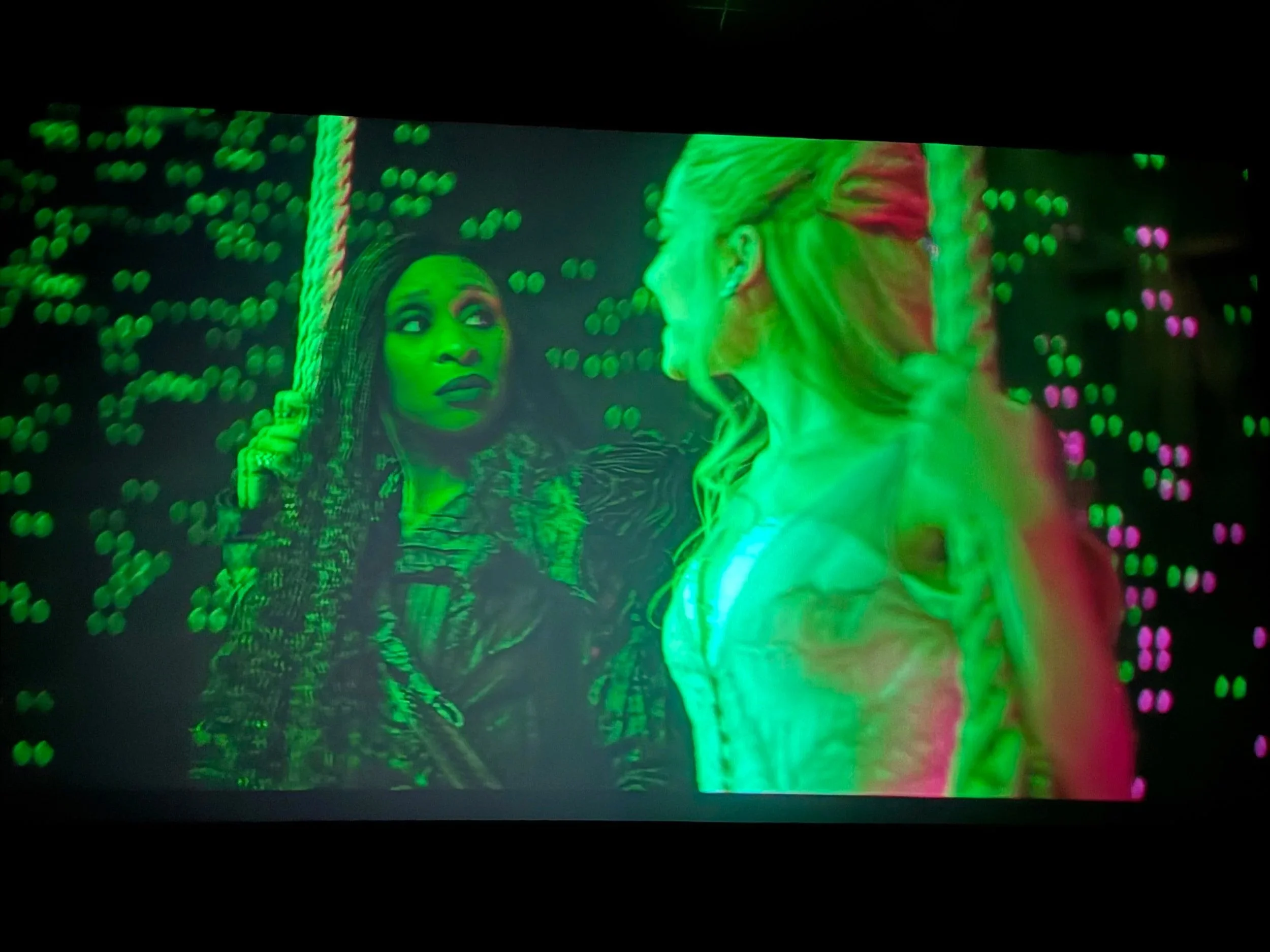
I’ve now seen Wicked: For Good twice—and cried both times during the iconic “For Good” scene. That song is a masterclass in emotional depth, capturing the bittersweet reality of friendships that transform us, even when circumstances pull us apart. From a mental health standpoint, this moment resonates deeply: it reminds us that relationships can be both impermanent and profoundly impactful.
Spoiler Alert: This review contains key plot details from Wicked: For Good.
I’ve now seen Wicked: For Good twice—and cried both times during the iconic “For Good” scene. That song is a masterclass in emotional depth, capturing the bittersweet reality of friendships that transform us, even when circumstances pull us apart. From a mental health standpoint, this moment resonates deeply: it reminds us that relationships can be both impermanent and profoundly impactful.
Themes That Matter
1) Friendship Under Pressure
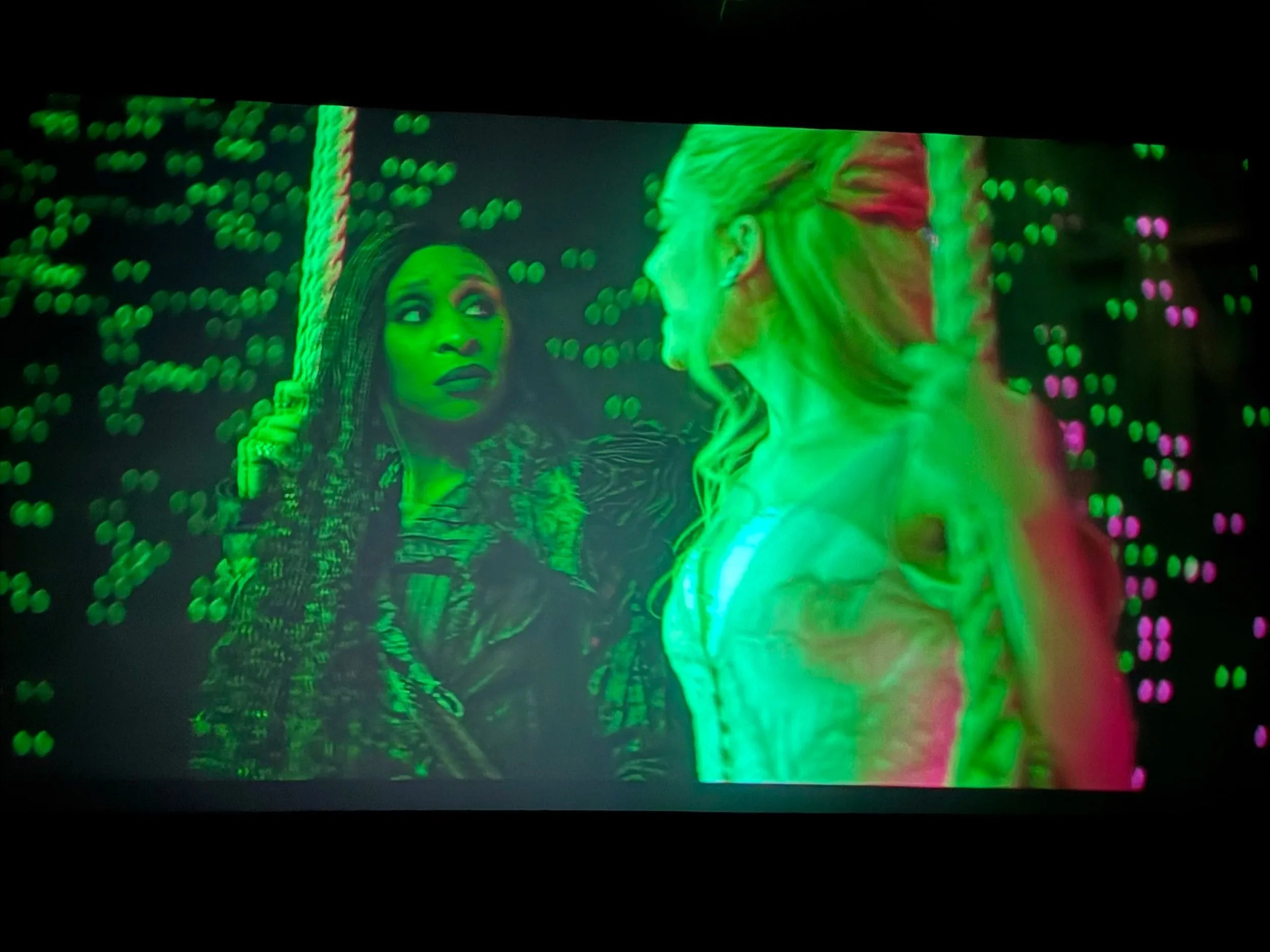
Elphaba and Glinda’s bond is tested by political turmoil, moral dilemmas, and personal insecurities. Their journey illustrates how friendships can thrive—even in crisis—when honesty and empathy are present. This mirrors what we often discuss in therapy: navigating conflict without losing connection.
2) The Importance of Community
The film underscores how isolation amplifies distress. Elphaba’s experience as an outsider highlights the mental health risks of stigma and exclusion. Conversely, moments of solidarity—whether through shared laughter or acts of courage—show how community fosters resilience and hope.
3) Identity and Self‑Acceptance
Elphaba’s struggle to embrace her uniqueness speaks to anyone who has felt “othered.” Her arc reminds us that authenticity often comes at a cost, but it’s essential for psychological well‑being.
4) Ambiguous Loss and Grief
The ending carries a quiet grief—not just for what’s lost, but for what could have been. This is where “For Good” hits hardest: it validates that even relationships that end can leave us stronger, wiser, and more compassionate.
Personal Reflection: Friendship, Loss, and Choosing Community
Watching Wicked: For Good reopened a tender chapter for me. My best friend from high school died suddenly at the young age of 26. The shock of losing someone who helped shape my early life left a fault line in my heart that I still feel when “For Good” swells. The lyrics—“Because I knew you, I have been changed for good”—capture the way our friends become anchors, mirrors, and catalysts. Grief doesn’t erase that imprint; it clarifies it.
That loss also changed how I show up for friendship as an adult. I value my friend circle now more than ever—not as a casual social accessory, but as a vital, life‑giving safety net. I invest more intentionally: answering the phone, scheduling the visit, saying “I love you,” apologizing promptly, and celebrating small wins. I’ve learned that community isn’t accidental; it’s built through consistent, vulnerable presence. In clinical terms, these practices strengthen attachment bonds and expand our window of tolerance—making it easier to weather stress, disagreement, and uncertainty together.
I also find solace in honoring her memory by living the best life. She was not given the same chance, and I value every moment now in a different way.
Why It Matters for Mental Health
Friendship as a Protective Factor: Strong social bonds buffer against stress and trauma; they reduce loneliness and improve emotion regulation.
Community as Healing: Belonging counters shame and stigma, and offers shared meaning in the face of loss.
Permission to Feel: The story normalizes complex emotions—love, anger, guilt, and grief—without judgment and shows that courage and compassion can coexist.
Gentle Takeaways
If a friendship is in crisis, name the strain and seek repair: truth plus tenderness.
Choose community on purpose: make plans, ritualize connection, and practice gratitude.
Let “For Good” be more than a song—make it a practice: tell your people how they’ve changed you, and how you intend to keep showing up.
Final Thoughts
Wicked: For Good isn’t just a musical—it’s a mirror reflecting our need for connection, meaning, and forgiveness. If you’ve ever navigated a friendship through crisis or wrestled with identity and belonging, this story will speak to you. And yes, if you’re like me, you might cry during “For Good”—because it’s not just a song; it’s a reminder that relationships, even imperfect ones, shape who we become and help carry us through the hardest seasons.