


Barriers to Mental Health Treatment for Autistic Clients: What Therapists Typically Get Wrong About Autism
Despite increasing awareness of autism spectrum disorder (ASD), significant barriers persist in mental health treatment for autistic clients. Many therapists lack adequate training and knowledge about autism, leading to misinterpretations and ineffective interventions. This post addresss recent research and clinical insights to highlight common pitfalls in therapy for autistic individuals and offers evidence-based recommendations for improvement.
Despite increasing awareness of autism spectrum disorder (ASD), significant barriers persist in mental health treatment for autistic clients. Many therapists lack adequate training and knowledge about autism, leading to misinterpretations and ineffective interventions. This post addresss recent research and clinical insights to highlight common pitfalls in therapy for autistic individuals and offers evidence-based recommendations for improvement.

Insufficient Training and Knowledge Among Therapists
Research consistently demonstrates that most mental health professionals receive minimal formal education on autism. For example, Lipinski et al. (2021) surveyed 498 psychotherapists in Germany and found that only 2% reported being highly knowledgeable about autism, while 53% had very little autism-specific psychotherapeutic training. Furthermore, 27% did not know where to seek support when working with autistic clients. Notably, education about ADHD was similarly lacking.
A Canadian study by Gallant et al. (2023) surveyed 577 community mental health clinicians and found that clinicians felt significantly less knowledgeable and confident supporting autistic clients compared to those with ADHD. While some treatment adaptations such as increased structure, predictability, shortened sessions, and the use of special interests were implemented, these often occurred without formal training. Other shortcomings included reduced confidence in listening to autistic concerns, issues with demonstrating empathy towards clients, difficulty in applying mental health knowledge, and struggles with effectively utilizing interventions.
Harmful Misinterpretations in Therapy
Therapists may inadvertently harm autistic clients by applying neurotypical frameworks to interpret autistic behaviors. Jones (2024) outlines several common misinterpretations:
Labeling needs for consistency or justice sensitivity as manipulative or narcissistic
Mischaracterizing meltdowns as tantrums
Interpreting alexithymia and executive functioning challenges as resistance or denial
Dismissing pattern recognition and anticipatory dread as magical thinking or OCD
Viewing sensory sensitivities as histrionic or emotionally stunted
Seeing shutdowns or overwhelm as refusal or sulking
Labeling stimming as anxiety
Attributing the realities of neurodivergence to victim mentality or self-pity
Misdiagnosing black-and-white thinking as borderline personality disorder
Calling sensitivity to internal bodily experiences hypochondria
Mistaking autistic burnout for chronic depression
Writing off irritability due to sensory hyposensitivities as a negative mindset or anger issues
Such misinterpretations can lead to inappropriate interventions and reinforce stigma.
Systemic Issues and the Impact of Masking
Therapeutic approaches that place responsibility solely on the client such as framing the autistic individual as the "problem" fail to address systemic barriers. This can result in autistic clients feeling responsible for others' emotions, which in turn, perpetuates overthinking and isolation. Minimizing or denying the reality of being autistic (e.g., "You're too smart/social/successful to be autistic" or "Everyone is a bit autistic") further invalidates clients' experiences.
Encouraging masking or "pushing through" behaviors can suppress regulatory behaviors like stimming and necessary self-care, leading to burnout, depression, and increased suicidality (Jones, 2024). Therapists must recognize the dangers of masking and support authentic self-expression.
Recommendations for Practice
To improve outcomes for autistic clients, therapists should:
Pursue specialized training in autism and neurodiversity
Adapt sessions for structure, predictability, and sensory needs
Use concrete language and capitalize on clients' strengths and interests
Involve family and support systems in therapy
Avoid neurotypical assumptions and validate autistic experiences
Recognize and address systemic barriers, not just individual challenges
Conclusion
Addressing barriers to mental health treatment for autistic clients requires systemic change in therapist education, clinical practice, and societal attitudes. By integrating research-based adaptations and fostering genuine understanding, therapists can provide more effective and empathetic care.
References
Gallant, C., Roudbarani, F., Ibrahim, A., et al. (2023). Clinician Knowledge, Confidence, and Treatment Practices in Their Provision of Psychotherapy to Autistic Youth and Youth with ADHD. Journal of Autism and Developmental Disorders, 53, 4214–4228. https://doi.org/10.1007/s10803-022-05722-9
Jones, S. (2024). The Autistic Survival Guide to Therapy. Jessica Kingsley Publishers
Lipinski, S., Boegl, K., Blanke, E. S., Suenkel, U., & Dziobek, I. (2021). A blind spot in mental healthcare? Psychotherapists lack education and expertise for the support of adults on the autism spectrum. Autism, 26(6), 1509-1521. https://doi.org/10.1177/13623613211057973

Honoring Our Grief & Loss
Grief is not about the absence of someone. Grief and sorrow are about all the moments that were and what could have been that gather like storm clouds - the endless possibilities. Grief is the waves that crash over us - unrelenting in the first moments - taking us under into the darkness with no direction. The waves can reduce their intensity and shape but can awaken at the most unexpected moments. These moments are often described as a dull ache, losing our breath, or falling suddenly.
The Waves
Grief is not about the absence of someone. Grief and sorrow are about all the moments that were and what could have been that gather like storm clouds - the endless possibilities. Grief is the waves that crash over us - unrelenting in the first moments - taking us under into the darkness with no direction. The waves can reduce their intensity and shape but can awaken at the most unexpected moments. These moments are often described as a dull ache, losing our breath, or falling suddenly.
Joan Didion stated in The Year of Magical Thinking, “[g]rief is different. Grief has no distance. Grief comes in waves, paroxysms, sudden apprehension that weaken the knees and blind the eyes and obliterate the dailiness of life. Virtually everyone who has ever experienced grief mentions this phenomenon of “waves.”
The Tangle that Is the Grief Journey
We were taught that our grief journey progresses with Elisabeth Kübler-Ross’s Five Stages of Grief: denial, anger, bargaining, depression, acceptance (The Five Stages of Mourning by Kubler Ross). Instead, we must consider that our grief journey cannot be found in a simple straight line from point A to point B - pain to peace - as much as we would want this. Grief comes with twists and turns that may feel like we take one step forward and 10 steps back - much like the image below. Grief is an essay, not a multiple choice answer, because the journey is deeply personal - only our own. We would not want it any other way.

Strength in our Words
Take a moment to pull apart the emotions that are enclosed in the waves because they could be more than sadness. It takes strength and courage to take our emotions out of the box to reflect and consider before placing them back in the box. Without this process, we could lose ourselves in the grief. A Chinese proverb states that “you cannot prevent the birds of sorrow from flying over your head, but you can prevent them from building nests in your hair.”
We want to prevent the “nest” in our hair by taking the first small step to hold our grief gently and carefully - speaking and sharing into existence in a safe space. Our words can become the buoy that can hold us together in the storm. Our tears can bear witness to our love and loss. In time, you can even recognize and anticipate the waves - our triggers - waiting around the bend. Our words matter. Our words are powerful. Our memories give us strength to hold the photographs, visit the cemetery, acknowledge the birthdays, wrap the holiday presents, and hug those present in our lives who also walk in a similar path because they also are navigating their own storm.
“You were merely wishing for the end of pain, the monster said. Your own pain. An end to how it isolated you. It is the most human wish of all.”
― Patrick Ness, A Monster Calls
You Are Not Alone
Grief isolates. The waves pull us out far into the sea where all sound is muffled except for the crashing of the waves. Light only shines sporadically. We are pulled under and panic to reach for something or someone to hold us up. Our thoughts in these moments are not truthful.
You do not have to navigate grief alone.
What can help?
Communication with family and friends
Quiet, safe spaces to breathe
Crying
Being present for the activities that bring us joy
Journaling
Asking questions for clarification of what happened
Building a network of support - at home, at work, at school
Consider speaking to a counselor
Be honest with yourself and others
Recognize all the other losses that occur with one loss (losing community due to moving, job loss, loss of friendship, etc)

Resources
Association for Death Education and Counseling - http://www.adec.org/adec/default.aspx
Center for Loss & Life Transition - https://www.centerforloss.com/
Helping Teens Work Through Grief, Second Edition - Mary Kelly Perschy
Teen Grief : Coping with the Loss of a Loved One – Hospice of the Valley - https://www.hov.org/media/1555/teengrief.pdf
The Dougy Center: The National Center for Grieving Children and Families - http://www.dougy.org/

Summit Family Therapy Wins Best Counseling Center in Peoria!
We are excited to announce that Summit Family Therapy, a leading provider of mental health counseling in Peoria, Illinois, has been honored with the Official 2025 Community Choice Award for Best Counseling Center! This recognition reflects our dedication to delivering compassionate, evidence-based therapy services for individuals, couples, and families.
We are excited to announce that Summit Family Therapy, a leading provider of mental health counseling in Peoria, Illinois, has been honored with the Official 2025 Community Choice Award for Best Counseling Center! This recognition reflects our dedication to delivering compassionate, evidence-based therapy services for individuals, couples, and families.

Why This Award Matters
Mental health is essential for overall well-being, and this award highlights the importance of accessible, high-quality care. At Summit Family Therapy, our mission is to create a safe, supportive environment where clients can heal, grow, and thrive. Whether you’re seeking anxiety counseling, family therapy, or relationship support, we are here to help.
Our Commitment to Peoria and Beyond
As a trusted Peoria counseling center, we believe in breaking the stigma around mental health and empowering our community. This award is a testament to the hard work of our dedicated therapists and the trust of our clients.
Thank You for Your Support
We couldn’t have achieved this without YOU—our clients, partners, and supporters. Your encouragement inspires us to keep raising the bar for mental health care.



Understanding Emotional Affairs: Dynamics, Risks, and Recovery
Emotional affairs are one of the most overlooked threats to relationship health. While they don’t involve physical intimacy, they can be just as damaging—sometimes even more so. In today’s digital world, where social media and constant connectivity blur boundaries, emotional infidelity is becoming increasingly common. If you’ve ever wondered what an emotional affair is, why it happens, and how to protect your relationship, this article will give you the answers. We’ll explore the psychology behind emotional affairs, their impact on trust and intimacy, and practical strategies for prevention and healing.
Emotional affairs are intimate, non-physical relationships that cross boundaries of trust within committed partnerships. While they lack sexual involvement, emotional affairs often involve secrecy, emotional intimacy, and a diversion of relational energy away from the primary relationship. In today’s digital age, constant connectivity blurs the lines between friendship and intimacy, making emotional affairs increasingly common. Unlike platonic friendships, these relationships typically involve a level of closeness that rivals or surpasses that of the committed partner, often accompanied by secrecy and idealization (Glass & Wright, 1992). This dynamic can erode trust and destabilize the foundation of a committed relationship, even without physical contact.
An emotional affair is characterized by emotional intimacy, secrecy, and boundary violations. Individuals share personal thoughts, feelings, and vulnerabilities that are usually reserved for their partner, while concealing the depth of the relationship. Emotional energy is redirected away from the primary relationship toward another person (Olson et al., 2012). Although sexual infidelity is often viewed as more severe, research indicates that emotional betrayal can be equally damaging to relationship satisfaction and trust (Whisman et al., 2007).
Several psychological factors contribute to emotional affairs. Unmet emotional needs within the primary relationship often lead individuals to seek validation elsewhere. Opportunity and accessibility through social media and workplace interactions create environments conducive to emotional closeness (Cravens et al., 2013). Idealization also plays a role, as individuals project ideal qualities onto the other person, creating a sense of escape from relational stressors. These dynamics can result in significant consequences, including erosion of trust, decreased intimacy, and heightened conflict when the affair is discovered (Glass, 2003).
Preventing emotional affairs requires proactive strategies. Couples should establish clear boundaries about what constitutes appropriate emotional sharing outside the relationship. Enhancing communication about emotional needs and expectations fosters transparency and reduces secrecy. If an emotional affair occurs, rebuilding trust through accountability and consistent behavior is essential. Professional support, such as couples therapy, can help address underlying issues and restore relational health (Gottman & Silver, 2015).
Emotional affairs challenge the integrity of committed relationships by diverting emotional intimacy and trust. Recognizing the signs, understanding the psychological dynamics, and implementing proactive strategies can help couples protect and strengthen their bond.
Are you concerned about how your relationships are impacting your primary relationship? Or are you worried your partner is having an emotional affair?
Emotional affairs can quietly erode trust and intimacy, leaving couples feeling disconnected and betrayed. The good news? Awareness and proactive communication can prevent these situations before they start. By setting clear boundaries, prioritizing emotional needs within your relationship, and seeking professional support when necessary, couples can strengthen their bond and protect their partnership. If you suspect an emotional affair or want to learn more about rebuilding trust, consider reaching out to a licensed therapist. At Summit Family Therapy, we specialize in helping individuals and couples navigate these challenges and create healthier, more fulfilling relationships.

The Challenges of Making Friends as an Adult: Barriers and Strategies for Connection
Friendship is a critical component of psychological well-being, yet adults often struggle to form new social bonds. This article examines the unique challenges adults face in building friendships, including structural, psychological, and cultural factors, and provides evidence-based strategies to foster meaningful connections. Recommendations are grounded in research on social psychology, mental health, and adult development.
Friendship is a critical component of psychological well-being, yet adults often struggle to form new social bonds. This article examines the unique challenges adults face in building friendships, including structural, psychological, and cultural factors, and provides evidence-based strategies to foster meaningful connections. Recommendations are grounded in research on social psychology, mental health, and adult development.
Friendship plays a vital role in emotional health, resilience, and life satisfaction (Demir & Davidson, 2013). While childhood and adolescence offer abundant opportunities for social interaction, adulthood introduces barriers such as time constraints, geographic mobility, and shifting priorities. Understanding these challenges and identifying practical strategies is essential for promoting social connectedness and reducing loneliness—a growing public health concern (Holt-Lunstad et al., 2015).

Challenges in Adult Friendship Formation
1. Time Constraints
Work, family, and caregiving responsibilities often leave adults with limited time for social engagement (Rawlins, 2017). Unlike school environments, adulthood lacks structured opportunities for spontaneous interaction.
2. Reduced Social Structures
Educational settings naturally facilitate friendships through shared experiences. In adulthood, these structures diminish, requiring intentional effort to meet new people (Hall, 2019).
3. Fear of Rejection and Vulnerability
Adults may experience heightened anxiety about initiating friendships due to fear of judgment or rejection, particularly in individualistic cultures that emphasize self-sufficiency (Nelson, 2013).
4. Geographic Mobility
Career changes and relocations disrupt established social networks, making it harder to maintain long-term friendships (Oswald & Clark, 2003).
5. Changing Priorities
Adults often prioritize quality over quantity in relationships, seeking deeper connections rather than casual acquaintances (Hall, 2012).
Strategies for Building Friendships
1. Leverage Existing Networks
Reconnecting with acquaintances or colleagues can serve as a foundation for deeper relationships. Research suggests that “weak ties” often lead to meaningful social opportunities (Granovetter, 1973).
2. Engage in Interest-Based Activities
Shared hobbies create natural contexts for interaction. Group activities such as book clubs or volunteer work foster repeated exposure, which is key to friendship development (Montoya et al., 2006).
3. Consistency and Effort
Friendship requires sustained interaction. Regular participation in social activities increases the likelihood of forming bonds (Hall, 2019).
4. Practice Vulnerability
Authenticity and self-disclosure are critical for intimacy in friendships (Reis & Shaver, 1988). Gradual sharing of personal experiences builds trust. Brené Brown has an excellent video (see below) that explains her marble jar theory of how trust is built over time, through small moments and consistency.
5. Utilize Technology
Social media and apps can facilitate initial connections, but transitioning to in-person interaction strengthens relational depth (Chan, 2011).
6. Manage Expectations
Not every interaction will result in a close friendship. Viewing social engagement as a process reduces pressure and promotes enjoyment (Nelson, 2013).
Conclusion
Making friends as an adult is challenging but achievable through intentionality, vulnerability, and consistent effort. Strong social connections enhance mental health, reduce loneliness, and improve overall well-being. By understanding barriers and applying evidence-based strategies, adults can cultivate meaningful relationships that enrich their lives.
References
Chan, D. K. (2011). Social networking sites and personal relationships: Online intimacy and offline distance. Cyberpsychology, Behavior, and Social Networking, 14(5), 253–257.
Demir, M., & Davidson, I. (2013). Toward a better understanding of the relationship between friendship and happiness: Perceived responses to capitalization attempts. Journal of Happiness Studies, 14(2), 525–550.
Granovetter, M. S. (1973). The strength of weak ties. American Journal of Sociology, 78(6), 1360–1380.
Hall, J. A. (2012). Friendship standards: The dimensions of ideal expectations. Journal of Social and Personal Relationships, 29(7), 884–907.
Hall, J. A. (2019). How many hours does it take to make a friend? Journal of Social and Personal Relationships, 36(4), 1278–1296.
Holt-Lunstad, J., Smith, T. B., Baker, M., Harris, T., & Stephenson, D. (2015). Loneliness and social isolation as risk factors for mortality: A meta-analytic review. Perspectives on Psychological Science, 10(2), 227–237.
Nelson, L. J. (2013). Emerging adulthood and college students’ identity development. Journal of College Student Development, 54(5), 556–570.
Oswald, D. L., & Clark, E. M. (2003). Best friends forever? High school best friendships and the transition to college. Personal Relationships, 10(2), 187–196.
Rawlins, W. K. (2017). Friendship matters: Communication, dialectics, and the life course. Transaction Publishers.
Reis, H. T., & Shaver, P. (1988). Intimacy as an interpersonal process. In S. Duck (Ed.), Handbook of personal relationships (pp. 367–389). Wiley.

KPOP Demon Hunters: Masking, People-Pleasing, and Internalized Shame
The three main characters in KPOP Demon Hunters resonate with so many people because they mirror the real life experience of internalized shame and wanting to be accepted for who you really are. They further speak to neurodivergent struggles of masking and people-pleasing.
Image attribution source: https://news.uchicago.edu/story/souls-fandom-and-kpop-demon-hunters
The three main characters in KPOP Demon Hunters resonate with so many people because they mirror the real life experience of internalized shame and wanting to be accepted for who you really are. They further speak to neurodivergent struggles of masking and people-pleasing.
Zoey masks primarily through people-pleasing and a sense of wanting to fit in after spending a childhood of trying to play both sides but being unable to find her own place. She talks about feeling like her thoughts, lyrics, and notebooks were useless and weird before she joined Huntr/x.
Mira masks through a facade of not caring after a childhood where she was labeled “a problem child” who “got too wild.” There is other messaging that implies possible complex trauma from this childhood. Mira embraces this tough facade by outwardly challenging social norms by doing things like showing up to the Met Gala wearing a sleeping bag. Yet deep down she is seeking family and connection more than anything else.
Rumi struggles most with internalized shame and must cover up her true self (masking) due to her patterns from being half-demon. She fears that no one will love her or truly accept her due to seeing herself as a mistake, which was greatly exacerbated by the childhood trauma of Celine repeatedly telling her to cover up her patterns and to not let her faults or fears ever be seen.
The song Golden speaks to their struggles with masking and wanting to be who they were born to be. Rumi sings about wanting to break down the walls that she has used to keep people at a distance and feel like herself. Ultimately, the song Golden speaks to Rumi still falling into the trap of masking due to her wanting to put her patterns in the past and just live like this image that other people see of her. The reality is the patterns are not going anywhere. No amount of trying to be “normal enough” is ever going to change that. So many neurodivergent people have dealt with the similar struggle of trying to appear normal enough only to realize that no matter how hard they mask, “the patterns” will still appear. The harder Rumi pushes herself the more the patterns show up until she hits a breaking point. This is the cycle of masking and pushing too hard for too long and then ending up in burnout that ADHD, Autistic, and other neurodivergent people will struggle with at multiple points in their lives.
Zoey struggles with people-pleasing, a very common neurodivergent masking strategy. She is the placater of the group as she is highly empathetic and does not want to see anyone hurting.
This leads to increasing overwhelm for her when Mira is picking up on Rumi hiding something from them. Zoey wants them to be happy and getting along and blames herself. She falls into the common trap of just trying harder. She tries to fix things by changing her lyrics for the song “Takedown” over and over again, but this only leads to a growing sense that her efforts and therefore her as well are “not enough.” Rumi in turn gets increasingly defensive due to her shame and Mira’s questioning, and she lashes out at Mira. The conflict comes to a head when the demons expose Rumi’s demon patterns on stage. Rumi feels intense overwhelming shame and then has to face being exposed as her true self in front of Mira and Zoey. Due to the shame and overwhelm she does not hear that Mira’s and Zoey’s hurt is due to Rumi not letting them in and lying to them. Instead it is confirmation that she is a mistake. She gets increasingly defensive and panics. This escalates to despair and hopelessness when Mira and Zoey point their weapons at her. Rumi makes one more attempt to seek love and acceptance by talking to Celine only to realize that Celine also does not accept her for who she truly is and cannot love all of her.
Rumi is faced with the situation that so many neurodivergent people fear most of all: once we are exposed as our true selves we will be seen as unloveable. This is the core struggle underlying rejection sensitive dysphoria. Mira and Zoey then face this same core fear when the demon king Gwi-Ma speaks to each of them. For Mira, the shame message is that she does not deserve a family and never has deserved a family. For Zoey the shame message is the painfully familiar one that so many ADHD and Autistic people have internalized “You’re too much. And not enough. You’ll never belong anywhere,” Gwi-Ma then lures her in with a promise of a place to belong. Gwi-Ma also challenges Rumi with more shame messages, “You think you can fix the world? You can’t even fix yourself,” when she shows up to try to stop him.
At this point Rumi has realized the heavy lesson that covering up who she is not the answer. The core wound or conflict for Rumi, Zoey, and Mira is starting to heal through the song,”What it Sounds Like.” Rumi sings first to Mira and Zoey taking accountability for her lies, for hiding who she is, and not letting the people she loves most in. Rumi goes on to sing about how she now sees the beauty in what she previously thought was just her being broken. Her struggles and her patterns also make her who she is. Zoey joins in the song singing “Why did I cover up the colors stuck inside my head?” which is her starting to accept herself for what makes her unique rather than seeing it as weird or useless. Mira joins in singing “I should’ve let the jagged edges meet the light instead” speaking to her wanting to drop the facade. They all sing together about not staying stuck in the shame of having “listened to the demons, we let them get between us” and realizing that they are only able to beat back the demons (both literal and metaphorical) by being and embracing their real and vulnerable selves.

Understanding Anxiety: A Survival Signal, Not a Flaw
Anxiety is universal. Even those who seem cool, calm, and collected experience it. And for good reason — anxiety is necessary for our survival. That’s right: anxiety is necessary.
Is it pleasant? No.
Fun? Not really.
Embarrassing? Sometimes.
But it’s also unavoidable, necessary, and even useful.
The goal isn’t to eliminate anxiety. It’s to understand it, tolerate it, and even use it to our advantage when it shows up.
Anxiety is universal. Even those who seem cool, calm, and collected experience it. And for good reason — anxiety is necessary for our survival. That’s right: anxiety is necessary.
Is it pleasant? No.
Fun? Not really.
Embarrassing? Sometimes.
But it’s also unavoidable, necessary, and even useful.
The goal isn’t to eliminate anxiety. It’s to understand it, tolerate it, and even use it to our advantage when it shows up.
What Exactly Is Anxiety?
Anxiety is our body’s built-in alarm system. It’s the tingle in our toes, the butterflies in our stomach, the sweating, the quickened breath. These physical reactions are our body’s way of saying:
“Hey, pay attention! Something’s going on here.”
Think about our ancient ancestors. Anxiety helped them survive in dangerous, unpredictable environments. Imagine hunting for food — you had to stay alert and aware of every sound and movement. That tingle on the back of your neck could mean the difference between life and death. The racing heart, the adrenaline rush — all of it prepared the body to fight, flee, or freeze.
Thankfully, most of us aren’t dodging predators these days. But our modern “threats” — social situations, deadlines, tests, uncertainty about the future — trigger the same biological response.
Anxiety isn’t a character flaw or personal weakness; it’s biology. We are literally wired to survive. So if you’re one of the “lucky” ones who feels anxiety strongly, give your body a high-five — it’s just doing its job.
When Anxiety Overreacts
Sometimes, though, anxiety misfires. It warns us of danger when there isn’t any. It convinces us to avoid things we actually want to do. It makes us feel stuck, small, or alone.
But here’s the key: anxiety is a messenger, not the enemy.
Once we understand that, we can start building tolerance.
Breaking the Cycle of Avoidance
When we feel anxious or uncomfortable, our instinct is to avoid whatever’s causing it. Avoidance gives us temporary relief — we feel better for a moment, so our brain learns, “Ah, that worked!”
Unfortunately, this reinforces the idea that the situation was dangerous. The next time we face something similar, the anxiety hits even harder. This creates a cycle of anxiety → avoidance → more anxiety.
To break that cycle, we have to do something counterintuitive:
Face the discomfort — on purpose.
Building Tolerance Through Practice
One of the most effective ways to manage anxiety is to increase our tolerance by gradually placing ourselves in anxiety-provoking situations.
Yes, it’s uncomfortable — but that’s the point. Growth always feels that way at first. When the anxiety rises, remind yourself:
“I can handle this. This isn’t actually dangerous.”
Try small “comfort zone challenges” to build that muscle:
Start a conversation with a stranger.
Try a new hobby that feels intimidating.
Attend an event alone.
Share your opinion.
Take a cold shower.
Wear something you wouldn’t normally wear.
As you do, notice what happens in your body — where you feel the tension, what thoughts arise. Then, a few minutes later, notice how the intensity starts to fade.
You’re surviving the moment — and that’s how tolerance grows.
The Bottom Line
Anxiety isn’t a flaw to fix — it’s a signal to understand. When we learn to listen to it, tolerate it, and move through it, we reclaim our power.
Anxiety may never disappear entirely, but it doesn’t have to control your life. You can coexist with it — and even thrive because of it.
Would you like some more support to guide you through your recovery? Reach out to our office today and make an appointment.

Parasocial Codependency
If you grew up in the 20th Century, maybe you had a Hulk Hogan poster. If you were the political type then, maybe you had a poster of JFK, Eisenhower, Ronald Reagan, Bill Clinton, or James Carville. If you grew up in the 1990s, maybe you had Lisa Frank artwork, Mary Kate & Ashley posters, and perhaps a Super Mario 64 poster. This was the era before the proliferation of the internet and personal computing en masse.
If you grew up in the 20th Century, maybe you had a Hulk Hogan poster. If you were the political type then, maybe you had a poster of JFK, Eisenhower, Ronald Reagan, Bill Clinton, or James Carville. If you grew up in the 1990s, maybe you had Lisa Frank artwork, Mary Kate & Ashley posters, and perhaps a Super Mario 64 poster. This was the era before the proliferation of the internet and personal computing en masse. Fast forward to the 20 teens and the era postpandemic. There’s a different feeling altogether about what the celebrity culture/celebrity objects happen to be across the board. With the tiktok and Instagram era in full force. There’s no need for posters. The content is on its way in real time. Maybe the content isn’t even from a real person. Maybe the influencer is an artificial intelligence.

From a mental health standpoint, who you let in your life is a risky business. As a psychotherapist and a lifelong student of humanity and the human experience. I can say that “I thought they were my friend” can be a famous set of last words or painful words displaying a since of great regret. Unfortunately, some of the worst folks we can let into our life are people we never meet: the influencers. We start to lose sight of what we value. We start to value what we value. The parasocial relationship creates a codependency. A parasocial codependency.
When Susie’s favorite twitch streamer died. She bawled her eyes out. Her husband reached out to her best friend to check on her. Susie was fine. However, Susie’s grief was almost rivalling that of a family member’s. Susie became depressed and her depressive episode lasted a solid month. Despite never meeting this person, Susie found themselves in a deep sorrow for a long time.
When Jim was focused on choosing a college major he didn’t do what he actually wanted to do. He picked up a course of study that his favorite political commentator recommended he do. His favorite commentator kept calling college a scam. He never met this person. But, he figured he’d chose something other than college. He entered a trade school program that he eventually had to drop out of due to an injury. He found himself back in college studying something he had a passion for that led to a career that was more traditional.
Two schools of therapy I pull from frequently to inform my work are dialectical behavioral therapy and acceptance and commitment therapy. Both of these schools of thought lean into the idea of psychological flexibility. Influencers, pundits, commentators, whatever you want to call them can destroy psychological flexibility. Instead of you using your wise mind from DBT or considering what you actually value for yourself via the hexaflex from ACT..you are thinking about what whoever on TikTok, Fox, Instagram, CNN, or MSNBC are telling you to think about. Your thoughts are replaced with whatever you are being told to think about. In an earlier piece I wrote about reparenting, I mention the need to identify your values after toxic parenting. In the 21st century if you are putting your life on hold due to some person telling you about their try on haul from Shein or a political commentator telling you there’s no hope unless you buy into their platform or manifesto without critical thinking….(ignore the man behind the curtain: L. Frank Baum’s Wizard of Oz (1900) you likely need to due some similar interventions to break out of this negative pattern.
Maybe you know someone who is being radicalized by an influencer. If you do, have a conversation about how their parasocial codependency is robbing them of their agency and how the person they are..the original work of art they are, is fading into a product of the dark machinery of this century.
I’m asking you to trust yourself more. Make your own decisions. Put Instagram behind, the news apps away and give your love ones a hug. If you are single, bet on yourself and ask that person out you are interested in. If you are hungry for new realities, bet on yourself. Just take an action, make a move. One of the greatest, yet much maligned, and misunderstood authors of the 21st century Hunter S. Thompson said it best.
“A (person) man who procrastinates in his choosing will inevitably have (their) his choice made for (them) him by circumstance.”
― Hunter S. Thompson, The Proud Highway: Saga of a Desperate Southern Gentleman, 1955-1967

“I’m in Holland”: Embracing the Unexpected in Therapy and in Life
In Lori Gottlieb’s bestselling memoir Maybe You Should Talk to Someone, she shares a poignant metaphor that has stayed with me—and with many of my clients—long after the final page. It’s called “Welcome to Holland.” Originally penned by Emily Perl Kingsley, this short essay describes the experience of raising a child with a disability, but its message resonates far beyond parenting. It’s about grief, acceptance, and the beauty of the unexpected.
In Lori Gottlieb’s bestselling memoir Maybe You Should Talk to Someone, she shares a poignant metaphor that has stayed with me—and with many of my clients—long after the final page. It’s called “Welcome to Holland.” Originally penned by Emily Perl Kingsley, this short essay describes the experience of raising a child with a disability, but its message resonates far beyond parenting. It’s about grief, acceptance, and the beauty of the unexpected.
As a therapist, I often return to this metaphor in my work with couples, individuals, and families navigating life’s detours. Because the truth is, we all have our “Holland” moments—times when life doesn’t go according to plan.

The Metaphor: A Change in Destination
Imagine you’ve planned a trip to Italy. You’ve studied the language, dreamed of the food, and envisioned the art and architecture. But when the plane lands, the flight attendant announces, “Welcome to Holland.”
At first, you’re confused. Disappointed. This isn’t what you signed up for. But as time passes, you begin to notice that Holland has its own charm—tulips, windmills, Rembrandt. It’s not Italy, but it’s beautiful in its own right.
This metaphor captures the emotional journey of adjusting to a reality that diverges from our expectations. Whether it’s a diagnosis, a breakup, infertility, a career change, or a loss—we all board planes to Italy and sometimes land in Holland.
How This Shows Up in Therapy
In my practice, I see “Holland” moments all the time:
A couple enters therapy hoping to “fix” their partner, only to discover that healing requires mutual vulnerability and change.
A parent grieves the loss of the imagined future for their child, learning to embrace who their child truly is.
An individual mourns the life they thought they’d have by now—marriage, children, a certain career path—and must redefine what fulfillment looks like.
These are not failures. They are invitations to reimagine our lives with compassion and curiosity.
The Grief of Letting Go
What makes “Holland” so hard is that it requires us to grieve the loss of what we thought would be. And grief is not linear. It’s messy, unpredictable, and deeply personal.
In therapy, we create space for that grief. We name it. We honor it. And then, slowly, we begin to explore what Holland has to offer. We ask: What beauty exists here that I couldn’t have seen before? What strengths have I discovered in myself? What new dreams can I build from this place?
Finding Meaning in the Unexpected
One of the most powerful aspects of Gottlieb’s book is her reminder that therapy isn’t about “fixing” people—it’s about helping them find meaning in their experiences. The “I’m in Holland” moment is not about settling; it’s about reframing. It’s about recognizing that while life may not look like the brochure, it can still be rich, meaningful, and even joyful.
Final Thoughts
At Summit Family Therapy, we walk alongside people in their Holland moments. We help them grieve what was lost, discover what is, and imagine what could be. Because healing doesn’t always mean returning to the original plan—it often means learning to love the life you didn’t expect.
If you’re feeling like you’ve landed somewhere unfamiliar, know this: you’re not alone. And Holland, with all its unexpected beauty, might just be the place where you find yourself.

Debunking Common Myths in Couples Therapy
Couples therapy is a transformative space where partners can reconnect, heal, and grow. Yet, many couples hesitate to seek help due to persistent myths and misperceptions. As a licensed marriage and family therapist, I’ve seen how these beliefs can delay or derail the healing process.
Let’s explore and debunk some of the most common myths I encounter in my work with couples.
Couples therapy is a transformative space where partners can reconnect, heal, and grow. Yet, many couples hesitate to seek help due to persistent myths and misperceptions. As a licensed marriage and family therapist, I’ve seen how these beliefs can delay or derail the healing process.
Let’s explore and debunk some of the most common myths I encounter in my work with couples.

Myth #1: “Couples therapy is only for relationships in crisis.”
Many believe therapy is a last-ditch effort when a relationship is on the brink of collapse. In truth, couples therapy is most effective when used proactively. It can help partners navigate transitions, improve communication, and deepen emotional intimacy before issues become entrenched.
Research supports this: early intervention in relational conflict leads to better outcomes and prevents long-term distress (Lebow, Chambers, Christensen, & Johnson, 2012). Therapy isn’t just for crisis—it’s for connection.
Myth #2: “Therapists should always remain neutral.”
This is a nuanced topic. While traditional models of therapy emphasize neutrality, some modern approaches challenge this idea—most notably, the work of Terry Real, founder of Relational Life Therapy (RLT).
Real argues that strict neutrality can be counterproductive, especially when one partner is engaging in destructive or abusive behavior. In his words, “Therapists who remain neutral in the face of dysfunction are colluding with the dysfunction.” Instead, he advocates for “loving confrontation”—a compassionate but direct approach that holds individuals accountable while supporting the relationship as a whole (Real, 2002).
In my practice, I strive to balance empathy with honesty. Sometimes, that means gently challenging behaviors that harm the relationship, while always maintaining a safe and respectful environment for both partners.
Myth #3: “Therapy means we’ve failed.”
Seeking therapy is not a sign of failure—it’s a sign of commitment. It takes courage to acknowledge challenges and a willingness to grow. Couples who engage in therapy often report increased satisfaction, improved communication, and a renewed sense of partnership (Baucom et al., 1998).
Therapy is not about fixing a “broken” relationship; it’s about building a stronger, more resilient one.
Myth #4: “Therapy is just talking about problems.”
While open dialogue is essential, couples therapy is far more than venting. It’s a structured, evidence-based process that helps partners identify patterns, understand emotional needs, and develop practical tools for change.
Approaches like the Gottman Method and Emotionally Focused Therapy (EFT) provide frameworks for building trust, managing conflict, and fostering emotional connection (Gottman & Silver, 1999; Johnson, 2004).
Myth #5: “Therapy doesn’t work.”
Skepticism is understandable, especially if past experiences were unhelpful. However, numerous studies support the efficacy of couples therapy. A meta-analysis by Shadish and Baldwin (2003) found that couples therapy significantly improves relationship satisfaction and reduces distress.
Success depends on timing, therapist fit, and the couple’s willingness to engage. When both partners are committed, therapy can be deeply transformative.
Final Thoughts
Couples therapy is not a last resort—it’s a courageous step toward deeper connection and understanding. By challenging these myths, we can reduce stigma and open the door for more couples to access the support they deserve.
If you and your partner are considering therapy, know that you don’t have to wait for a crisis. Whether you’re navigating a rough patch or simply want to strengthen your bond, therapy can be a meaningful investment in your relationship’s future.
References
Baucom, D. H., Shoham, V., Mueser, K. T., Daiuto, A. D., & Stickle, T. R. (1998). Empirically supported couple and family interventions for marital distress and adult mental health problems. Journal of Consulting and Clinical Psychology, 66(1), 53–88.
Gottman, J. M., & Silver, N. (1999). The Seven Principles for Making Marriage Work. Crown Publishing Group.
Johnson, S. M. (2004). The Practice of Emotionally Focused Couple Therapy: Creating Connection. Brunner-Routledge.
Lebow, J., Chambers, A., Christensen, A., & Johnson, S. (2012). Research on the treatment of couple distress. Journal of Marital and Family Therapy, 38(1), 145–168.
Real, T. (2002). How Can I Get Through to You? Reconnecting Men and Women. Scribner.
Shadish, W. R., & Baldwin, S. A. (2003). Meta-analysis of MFT interventions. Journal of Marital and Family Therapy, 29(4), 547–570.

What is Play Therapy?
As parents, we want the very best for our children. When they’re struggling, whether with big feelings, changes at home, or difficult experiences, it can be hard to know how to help. Many parents come to me saying, “They won’t talk about it. I’ve tried asking, but I just can’t get through.” That’s where play therapy is a great option.
As parents, we want the very best for our children. When they’re struggling, whether with big feelings, changes at home, or difficult experiences, it can be hard to know how to help. Many parents come to me saying, “They won’t talk about it. I’ve tried asking, but I just can’t get through.” That’s where play therapy is a great option.

Why Play Instead of Talking?
Adults often process emotions by talking. Children, however, typically don’t have the words or life experience to explain what’s going on inside. Instead, they may “speak” through play. When a child picks up a toy, draws a picture, or acts out a story, they’re often telling us what they’re feeling, even if they can’t put it into words. Play therapy is a specialized form of counseling that uses this natural language of children to help them express themselves, work through challenges, and build skills for coping and resilience.
What You Can Expect as a Parent
It’s normal to wonder, What exactly happens in play therapy? or How will this help my child? Here are some key things to know:
Sessions look like play, but they have purpose. Your child will use toys, games, art, and stories to explore feelings. The therapist is trained to guide this process so the play becomes healing and meaningful.
Progress takes time. Just like with adults, therapy is a process, not a quick fix. You may notice small shifts such as better mood, fewer meltdowns, more confidence, though these may be observed over weeks and months during treatment.
Parent Involvement. Parents play a vital role. Depending on the therapist’s approach, you might meet regularly with the therapist to discuss your child’s progress, learn strategies for home, or even join in parts of sessions.
Confidentiality matters. Children need to feel safe in therapy. That means your therapist may not share every detail of what happens in the playroom, but they will update you on themes, progress, and ways you can support your child outside of sessions.
It’s about building tools for life. The goal isn’t to make problems “disappear,” but to help your child develop healthier ways to understand and manage their emotions, relationships, and experiences.
How Parents Can Support the Process
Be patient—healing happens in small steps.
Stay consistent with therapy appointments.
Show interest without pressuring your child to “report back” after sessions.
Practice new coping skills at home when your therapist suggests them.
Recommended Reading for Parents
If you’d like to learn more about play therapy and supporting your child’s emotional growth, here are some excellent resources:
“Play Therapy: The Art of the Relationship” by Garry L. Landreth – A classic guide for understanding the philosophy behind play therapy.
“Parenting with Play Therapy: A Practical Guide to Nurturing Emotional Well-Being” by Nancy Boyd Webb – Accessible, parent-friendly insights.
“Child-Centered Play Therapy: A Practical Guide to Developing Therapeutic Relationships with Children” by Rise VanFleet – Helpful for parents curious about the techniques therapists use.
Short Videos about Play Therapy
If you’re a visual learner, like me, here are some short videos on YouTube that do a great job of outlining play therapy and its benefits:
Introduction to Play Therapy — therapist Joey Harmon gives an overview of child-centered play therapy
Play Therapy Works! — a succinct video by the Association for Play Therapy introducing what play therapy is and why credentialed therapists matter
Play is the Child’s Language: Play Therapy — Joanne Wicks describes how play is children’s emotional expression in a brief talk
Introducing Andrew — a short clip emphasizing that “play is a child’s first language” and how children express inner worlds through play
Final Thoughts
Remember: seeking play therapy doesn’t mean you’ve failed as a parent. It means you’re giving your child another pathway to healing and growth, and that’s a powerful gift.
Disclaimer: The content shared on this blog reflects my personal and professional reflections. It is intended for general informational and educational purposes only. It is not a substitute for therapy, counseling, or professional mental health treatment. If you are experiencing distress or seeking support, I encourage you to reach out to a qualified mental health professional in your area.

The Good Enough Parent: Why Perfection Isn’t My Goal
If you’ve ever stayed awake at night replaying the moment you lost your patience with your child or worried that not doing enough will somehow “ruin” them, please know that you’re not alone. As a therapist and a parent myself, I feel this pressure often. We live in a culture that bombards us with images of the “perfect” parent. I see influencers who are endlessly patient, creative, calm, and available and can't help but compare myself to their “perfection.” But here’s the truth: your child doesn’t need a perfect parent. They just need a good enough one.
If you’ve ever stayed awake at night replaying the moment you lost your patience with your child or worried that not doing enough will somehow “ruin” them, please know that you’re not alone. As a therapist and a parent myself, I feel this pressure often. We live in a culture that bombards us with images of the “perfect” parent. I see influencers who are endlessly patient, creative, calm, and available and can't help but compare myself to their “perfection.” But here’s the truth: your child doesn’t need a perfect parent. They just need a good enough one.

This phrase “the good enough parent” was introduced by British pediatrician and psychoanalyst Donald Winnicott back in the mid-20th century. He noticed that children don’t thrive because their parents never make mistakes. They thrive because, in the everyday rhythm of caregiving, parents provide enough love, enough safety, and enough presence for a child to grow in their own unique way.
Over the last few decades, science has continued to support Winnicott’s ideas. In the 1970s, researcher Mary Ainsworth created the now-famous “Strange Situation” study, which showed that children form secure attachments not because their parents are perfect, but because their parents are sensitive and responsive much of the time. Later, Ed Tronick’s “Still Face” experiment revealed that even when parents miss a baby’s signals, what really matters is coming back into connection. Through study and experience, we’ve learned that repair, not perfection, helps children thrive as they learn and grow.
Other researchers have pointed out that striving for perfection can actually make things harder. Parenting expert Jay Belsky, for example, showed that stress and pressure often get in the way of healthy parent–child connections. Modern writers like Daniel Siegel and Tina Payne Bryson (authors of The Power of Showing Up) reassure us that showing up consistently, even imperfectly, positively impacts a child’s brain development and sense of security.
I think about this in my own parenting often. There have been plenty of times when I’ve lost my patience over homework battles, the mad scramble to get out the door in the morning, or bedtime protests. In the heat of the moment, I often mess up or do things “imperfectly.” But what I’ve learned is that the repair matters more than the slip. I'm learning to circle back, whether it’s with a hug, an apology, or just taking a calmer moment together. My kids certainly won’t remember me as perfect, but they’ll remember that I cared enough to come back.
We are all learning as we go, similar to how humans learn to walk: We stumble, we fall, we get back up and move forward. In the same way, our children are learning about relationships through us. Our missteps and stumbles are not proof of failure, they’re part of the process. Winnicott believed that these imperfect, “good enough” moments are what help kids build resilience and strength. And I believe it too, because I’ve seen it, not just in the research or in the families I work with, but because I’m living it every day.
If you’ve been carrying the heavy burden of guilt that you’re not doing enough or “ruining” your kids, I encourage you to pause, breathe, and remind yourself: Your child doesn’t need a flawless parent. They need you: human, imperfect, loving, and learning right alongside them. Good enough is more than enough.
Resources:
If this idea resonates with you, here are a few resources you might enjoy:
Donald Winnicott’s The Child, the Family, and the Outside World – where he first introduced the “good enough parent.”
The Power of Showing Up by Daniel Siegel & Tina Payne Bryson – a modern, practical guide rooted in attachment science.
Ed Tronick’s Still Face Experiment (a short video online) – a striking demonstration of how repair matters more than perfection.
Hold On to Your Kids by Gabor Maté – a validating read about the importance of connection.
Kristin Neff’s book Self-Compassion (or her TED talk) – a helpful antidote to perfectionism.
Source: https://thesupportspace.wordpress.com/category/parenthood/

Why You Shouldn’t Speak Negatively to Your Child About Your Ex-Spouse
Divorce or separation is one of the most difficult transitions a family can experience. Emotions run high, pain is real, and sometimes resentment lingers far beyond the separation itself. In these moments, it may feel natural to vent frustrations about your ex-spouse. But when those negative comments are spoken in front of—or directly to—your children, the consequences can be long-lasting and harmful.
Divorce or separation is one of the most difficult transitions a family can experience. Emotions run high, pain is real, and sometimes resentment lingers far beyond the separation itself. In these moments, it may feel natural to vent frustrations about your ex-spouse. But when those negative comments are spoken in front of—or directly to—your children, the consequences can be long-lasting and harmful.
As parents, we want to protect our children. One of the most powerful ways we can do that is by shielding them from harmful narratives about the other parent.

The Impact of Negative Talk on Children
Research consistently shows that children caught between parental conflict often experience increased anxiety, depression, and feelings of divided loyalty. When a child hears one parent criticize the other, they may feel they must choose sides—or worse, feel guilty for continuing to love the “talked about” parent (Amato, 2014).
In fact, studies on high-conflict divorces demonstrate that children exposed to negative talk about one parent are at higher risk for:
Emotional distress
Lower self-esteem
Behavioral issues
Strained parent-child relationships (Johnston et al., 2016)
When we speak negatively about our ex, children may internalize the conflict as part of their own identity: “If Mom says bad things about Dad, and I’m half Dad, does that mean part of me is bad too?”
A Real-Life Scenario
Consider this example:
Eight-year-old Jacob spends weekends with his father. One Sunday evening, when his dad drops him off, his mom asks if Jacob had fun. Jacob excitedly talks about the movie they saw. His mom sighs and says, “Well, I’m glad you had fun, but your father really should be more responsible with money. He never thinks about the future.”
Jacob doesn’t respond, but later that night he feels sad and conflicted. He wonders if it’s wrong to enjoy time with his dad. He feels guilty for loving both parents. Over time, these comments pile up, leaving Jacob confused, anxious, and unsure of how to navigate his relationships.
What to Say Instead
It’s normal to feel upset with your ex, but your child doesn’t need to carry those feelings. Instead of speaking negatively, shift to supportive or neutral phrases. This helps your child feel secure while still acknowledging their reality.
Instead of: “Your mom is always late—she doesn’t care about your time.”
Try: “Sometimes schedules can get tricky, but I’m glad you’re here now.”Instead of: “Your dad never follows through.”
Try: “I know it can feel frustrating when plans change. How are you feeling about it?”Instead of: “She’s selfish and doesn’t think about anyone but herself.”
Try: “We see things differently, but I know she loves you.”Instead of: “Your father ruined everything.”
Try: “The marriage didn’t work out, but we both love you very much.”
These shifts communicate stability and love, helping your child feel safe in both relationships.
Why This Matters
Children do best when they have strong, positive relationships with both parents—even when those parents are no longer together (Kelly & Emery, 2003). By avoiding negative talk, you not only protect your child’s emotional well-being but also model maturity, respect, and resilience.
Remember: your child’s relationship with your ex is separate from your own. Supporting that relationship does not minimize your pain—it magnifies your child’s chance to thrive.
Final Thoughts
Parenting after divorce isn’t easy, but your words hold incredible power. Choosing to speak with kindness, neutrality, or silence about your ex is a profound gift to your child. You are showing them that love can exist beyond conflict, and that they never have to choose between their parents.
If you find yourself struggling with this, therapy can provide a safe space to process your feelings and learn new tools for communication. At Summit Family Therapy, we walk alongside families in transition, helping both parents and children find pathways toward healing and connection.
References
Amato, P. R. (2014). The consequences of divorce for adults and children: An update. Journal of Marriage and Family, 76(3), 460–480.
Johnston, J. R., Roseby, V., & Kuehnle, K. (2016). In the name of the child: A developmental approach to understanding and helping children of conflicted and violent divorce. Springer Publishing Company.
Kelly, J. B., & Emery, R. E. (2003). Children’s adjustment following divorce: Risk and resilience perspectives. Family Relations, 52(4), 352–362.

Understanding Ambiguous Loss in 2025: Navigating Grief Amid Global Uncertainty
Ambiguous loss is a profound form of grief that occurs without clear closure or resolution. Coined by Dr. Pauline Boss in the 1970s, this concept describes situations where a person experiences loss without the traditional markers of death or finality. Such losses can be particularly challenging because they often go unrecognized by others, leading to feelings of isolation and confusion.
Ambiguous loss is a profound form of grief that occurs without clear closure or resolution. Coined by Dr. Pauline Boss in the 1970s, this concept describes situations where a person experiences loss without the traditional markers of death or finality. Such losses can be particularly challenging because they often go unrecognized by others, leading to feelings of isolation and confusion.

Types of Ambiguous Loss
Dr. Boss identifies two primary types of ambiguous loss:
Physical Absence with Psychological Presence: This occurs when a person is physically absent but still psychologically present. Examples include a loved one who has gone missing, a spouse who has left without explanation, or a parent who has abandoned the family.
Psychological Absence with Physical Presence: In this case, a person is physically present but psychologically absent. This can manifest in conditions like Alzheimer's disease, brain injuries, or severe mental illnesses, where the individual's cognitive functions are impaired, leading to a loss of the person as they once were.
Recent Insights and Research
Recent studies have expanded our understanding of ambiguous loss, highlighting its impact on various populations and contexts:
Caregivers of Individuals with Dementia: Research indicates that caregivers of individuals with dementia often experience ambiguous loss due to the gradual cognitive decline of their loved ones. This type of loss can lead to prolonged grief and challenges in caregiving.
Impact of Social Movements: Social movements and societal changes can also lead to ambiguous loss. For instance, communities affected by systemic racism may experience a loss of safety and identity, which is difficult to address due to its abstract nature.
Global Crises: Events like natural disasters, political unrest, and pandemics can create situations of ambiguous loss, where individuals lose their sense of normalcy and security without a clear endpoint.
Coping Strategies
Coping with ambiguous loss requires unique approaches, as traditional grieving processes may not apply. Here are some strategies:
Acknowledge the Loss: Recognizing and naming the ambiguous loss can validate the feelings of grief and help individuals begin the healing process.
Seek Support: Connecting with others who understand the experience, such as support groups or therapists, can provide comfort and reduce feelings of isolation.
Practice Self-Care: Engaging in activities that promote well-being, such as exercise, mindfulness, and hobbies, can help individuals manage stress and maintain resilience.
Create Meaning: Finding new ways to create meaning in life, such as through art, community involvement, or personal growth, can help individuals navigate the uncertainty of ambiguous loss.
When to Seek Professional Help
If you find that the feelings associated with ambiguous loss are overwhelming or persistent, it may be beneficial to seek professional help. Therapists trained in grief and loss can provide support and strategies tailored to your specific situation.
At Summit Family Therapy, we understand the complexities of ambiguous loss and are here to support you through your journey. If you're struggling with unresolved grief, consider reaching out to our team for guidance and assistance.
Sources
Boss, P. (1999). Ambiguous Loss: Learning to Live with Unresolved Grief. Harvard University Press.
Kucukkaragoz, H., & Meylani, R. (2024). Ambiguous losses and their traumatic effects: A qualitative synthesis of the research literature. Batı Anadolu Eğitim Bilimleri Dergisi, 15(2), 721-755.
Ahmed, A., & Forrester, A. (2025). Mental health challenges of enforced disappearances: A call for research and action. International Journal of Social Psychiatry.
Danon, A., Dekel, R., & Horesh, D. (2025). Between mourning and hope: A mixed-methods study of ambiguous loss and posttraumatic stress symptoms among partners of Israel Defense Force veterans. Psychological Trauma: Theory, Research, Practice, and Policy, 17(4), 795-804.
Testoni, I., et al. (2023). Ambiguous loss and disenfranchised grief in formal care settings: A study among dementia caregivers. Journal of Aging Studies, 61, 100986.
Kor, K. (2024). Responding to children's ambiguous loss in out-of-home care: A qualitative study. Child & Family Social Work, 29(1), 72-80.
Mac Conaill, S. (2025). Long-term experiences of intrapersonal loss, grief, and change in people with acquired brain injury: A phenomenological study. Disability and Rehabilitation, 47(5), 1012-1020.
Zasiekina, L., Abraham, A., & Zasiekin, S. (2023). Unambiguous definition of ambiguous loss: Exploring conceptual boundaries of physical and psychological types through content analysis. East European Journal of Psycholinguistics, 10(2), 182-200.
Breen, L. (2025). 'Few people thought grief was a worthy topic': Reflections on two decades of research in hospice and palliative care. The Australian Research Magazine.

Not All Healing Happens in Silence: Retreats vs. Therapy Intensives
When it comes to healing, growth, and recovering from trauma, there are several formats offered by therapists and wellness providers. Two common options are group therapeutic intensives and retreats. Though they can overlap, they also have distinct features, formats, and goals. Understanding the differences can help you decide what might best support your personal journey. Below is a comparison, informed by Summit Family Therapy’s Women’s Trauma Recovery Intensives.
Group Therapeutic Intensive vs. Retreat: What’s the Difference?
When it comes to healing, growth, and recovering from trauma, there are several formats offered by therapists and wellness providers. Two common options are group therapeutic intensives and retreats. Though they can overlap, they also have distinct features, formats, and goals. Understanding the differences can help you decide what might best support your personal journey. Below is a comparison, informed by Summit Family Therapy’s Women’s Trauma Recovery Intensives.

Why a Psychotherapy Group Intensive Offers More Than Just a Retreat
While wellness retreats provide a beautiful pause from daily stress, a psychotherapy group intensive offers something far more powerful: lasting psychological change.
Unlike retreats that often focus on rest, relaxation, or general wellness, a group therapeutic intensive is designed for real transformation. These intensives are led by licensed mental health professionals and grounded in evidence-based treatment. Over the course of just a few days, participants engage in focused, structured therapeutic work that might otherwise take months to achieve in weekly sessions.
You're not just meditating or journaling—you’re actively processing trauma, confronting core emotional wounds, learning proven coping tools, and receiving real-time support from both a therapist and a small, safe group of peers who are also doing the work. It's a focused reset for your nervous system and emotional life—not just a break from your schedule.
Where a retreat may offer temporary relief, a therapeutic intensive can create a breakthrough.
If you’re feeling stuck in therapy, overwhelmed by symptoms, or ready to finally move past long-held emotional pain, a group intensive provides the depth, structure, and professional guidance necessary to create meaningful change—quickly, and with support. It’s healing with purpose, not just rest with intention.
What is a Group Therapeutic Intensive?
A group therapeutic intensive usually refers to a structured, concentrated set of therapy-oriented sessions occurring over a relatively short time span (often one weekend or a few consecutive days). Key characteristics include:
Focused therapy work: Several hours per day are dedicated to therapeutic content—processing trauma, learning coping skills, emotional regulation, bodywork (yoga, breathwork), mindfulness, etc. In our “Connections” workshop, for example, you get 12+ hours of intensive group therapy.
Small cohort size: Participants are few in number, which fosters safety, sharing, vulnerability, and connection. Summit’s intensives typically cap participation (e.g. max 12 people) so that each person can engage meaningfully.
Therapeutic leadership: Led by licensed mental health professionals (e.g. Dr. Courtney Stivers in Summit’s case), often with additional specialists (yoga, bodywork, etc.), so therapy is well-supported with trauma-informed methods.
Goal-oriented: Designed to make substantial progress on specific issues (like trauma, emotional regulation, boundaries, night terrors, etc.) in a condensed timeframe. It can be more efficient than spreading the same work out slowly over many weekly therapy sessions. Summit states that these intensives are helpful when weekly therapy may be difficult to maintain.
Therapeutic exercises and customization: Prior to the intensive, there may be questionnaires or assessments to tailor the experience to the group’s needs. For example, Summit sends out a history questionnaire ahead of their workshop.
What is a Retreat?
The term “retreat” is broader and often implies a holistic, restorative environment that may combine therapy but tends to place more emphasis on rest, retreating from daily life, renewal, and integration. Features often include:
More downtime / healing space: Retreats often provide time away from regular responsibilities. This allows clients to rest, reflect, and digest. While Summit’s intensives include therapeutic work, they also include restful practices (yoga, guided self‑care, mindful body‑work).
Integration with wellness practices: Retreats tend to include more holistic or wellness components—yoga, nature,/body‑mind connection, spiritual or mindfulness rituals, possibly art or movement therapy. The Summit workshop includes yoga, breath work, body‑awareness practices.
Sense of separation from everyday life: Retreats frequently take place in settings that promote separation from work, home routines, and usual stressors. This helps people unplug, refocus, and re‑center. Summit encourages staying in a hotel even for local participants to help create that separation.
Balance between depth and rest: While therapy might be part of retreat, it's not always as intensively scheduled as in an intensive. Retreats often mix heavier therapeutic or educational content with lighter, restorative or reflective periods.
Community and connection: As with intensives, retreats often emphasize connection with others—support, sharing, feeling seen and understood—but may make more space for bonding, communal meals, rest, and sharing in less structured ways. Retreats may have much larger numbers than intensives.
Example: Summit’s Model
Summit Family Therapy’s “Connections” intensive illustrates a model that blends both: it’s called an intensive but happens like a mini‑retreat over a weekend. You get deep therapeutic work (group sessions, trauma‑informed content) plus wellness practices (yoga, body connection) and shared community space. The schedule includes multiple therapy sessions per day, along with meals and opportunities for rest and reflection.
It’s designed for women who want to accelerate healing—especially those who find weekly therapy challenging or insufficient alone. It also gives a chance to reset, disconnect from routine, reconnect with self and others, and return home with new tools and renewed resources.
Conclusion
In short, a group therapeutic intensive tends to lean more toward focused, concentrated therapeutic work in a relatively short timeframe, while a retreat leans more toward holistic renewal, rest, and healing in a more spacious, less‐urgent format. Many programs (like Summit’s) blend elements of both so participants get both depth and restoration. Knowing what you need—whether it’s deep and fast work, or space to unwind and integrate—can help you choose the format that supports your healing best.

Understanding EMDR: A Powerful Tool for Healing Trauma
Trauma can leave a lasting mark on both the mind and body. Memories of painful experiences may replay over and over, emotions can feel overwhelming, and daily life can become a struggle. Fortunately, there are effective, evidence-based therapies designed to help the brain process trauma safely—and EMDR is one of the most powerful tools available.
Trauma can leave a lasting mark on both the mind and body. Memories of painful experiences may replay over and over, emotions can feel overwhelming, and daily life can become a struggle. Fortunately, there are effective, evidence-based therapies designed to help the brain process trauma safely—and EMDR is one of the most powerful tools available.
What is EMDR?
EMDR stands for Eye Movement Desensitization and Reprocessing. It’s a type of therapy that helps the brain process and integrate traumatic memories that have become “stuck.” Unlike traditional talk therapy, EMDR works with the mind-body connection to reframe distressing memories so they no longer have the same emotional intensity.
How Does EMDR Work?
During an EMDR session, a therapist guides a client through recalling a troubling memory while engaging in bilateral stimulation—usually eye movements, taps, or sounds alternating between left and right. This process helps the brain process the memory in a way that reduces its emotional charge.
Over time, EMDR can:
Reduce the intensity of painful memories
Decrease anxiety, fear, or flashbacks
Improve emotional regulation
Increase feelings of safety and empowerment
Who Can Benefit from EMDR?
EMDR is widely recognized as an effective treatment for:
PTSD and C-PTSD
Anxiety and panic disorders
Phobias
Trauma from accidents, abuse, or loss
Emotional challenges that feel “stuck”
While EMDR is especially helpful for trauma, it can also support personal growth, resilience, and overcoming negative beliefs about oneself.
What to Expect in a Session
A typical EMDR session begins with:
Assessment and preparation: You and your therapist identify memories or issues to target and develop strategies for staying safe and grounded.
Processing: Through guided bilateral stimulation, the therapist helps your brain reprocess the memory. Emotions may surface, but the therapist supports you throughout.
Integration: New insights and perspectives emerge, helping the memory lose its grip and allowing you to move forward with less distress.
EMDR is not about reliving trauma; it’s about reprocessing it safely so your brain can integrate the experience without being overwhelmed.
Why EMDR is Effective
Trauma often leaves memories “unprocessed” in the brain. EMDR helps the mind process these memories in a natural, adaptive way—similar to how the brain processes experiences during REM sleep. Many clients report feeling lighter, calmer, and more able to engage in life fully after a series of sessions.
Final Thoughts
If trauma or distressing memories are affecting your daily life, EMDR may offer a path toward relief and healing. It’s a collaborative, evidence-based approach that can empower you to reclaim your life from the grip of past experiences.
At Summit Family Therapy, I use EMDR as part of trauma-informed care, helping clients safely process memories, reduce emotional distress, and build resilience. If you’re ready to explore EMDR for yourself, schedule a session with myself (or one of our other EMDR trained therapists) and take the first step toward healing.

What I Wish I Knew: A Parent’s Guide to Navigating Special Education
When I first stepped into the world of special education as a parent, I thought I was prepared. I’m a licensed therapist and I had already spent years working inside the school system. But nothing truly readied me for what it feels like to sit on the other side of the table; this time, as a mom advocating for her child.
When I first stepped into the world of special education as a parent, I thought I was prepared. I’m a licensed therapist and I had already spent years working inside the school system. But nothing truly readied me for what it feels like to sit on the other side of the table; this time, as a mom advocating for her child.
Like many parents, I quickly discovered that the special education system is complicated, full of acronyms, timelines, and legal language that can make your head spin. I also learned that even when you know the system and language professionally, it feels very different when it’s your own child.

While not a replacement for a comprehensive list or lesson on special education law, this post is my attempt to share the things I wish someone had told me in the beginning, including rights, terms, processes, and encouragement that may make advocating for your child a little less overwhelming. Coming from a place of professional knowledge and personal experience, my hope is that you’ll feel more confident walking into meetings, asking the hard questions, and remembering that you are your child’s best advocate.
Disclaimer: I'm not an attorney, and this post is not intended as legal advice. Special education laws and timelines can vary by state, so always double-check details with your local school district or a qualified legal professional if you need specific guidance.
Parent Rights
One of the most important things I’ve learned as a parent in the special education system is that we have rights, and they matter. These are just a few rights I found helpful to keep in mind for myself, and have often used to reassure my clients who navigate the special education world.
90 days right: When you put in a written request for your child to be evaluated for services, at any time during the year, the school is on the clock. They have 90 days to complete the evaluation and let you know if your child qualifies for services, and set up a plan. That timeline is there to protect your child from unnecessary delays, so don’t be afraid to hold the school accountable. I recommend emailing your request directly to your child's teacher and/or principal so that you have your own record of when the request was made.
Support in meetings: You also don’t have to walk into meetings alone. You have the right to bring someone with you; whether that’s a professional advocate, a lawyer, or even just a trusted friend who can take notes and help you feel supported. Having another voice in the room can make a huge difference. My own experience working with a professional advocate was invaluable.
Right to appeal: If you disagree with what the school decides, you don’t have to just accept it. You have the right to appeal. That might mean asking for mediation, filing a complaint, or requesting a due process hearing. These options exist because your perspective matters.
Right to contribute and/or request records: Most importantly, remember that you are an equal member of your child’s team. The school cannot create or finalize a 504 Plan or IEP without parent/guardian input. You also have the right to see all of your child’s records, so you know exactly what’s being said and done on their behalf. It was easiest for me to request copies of everything at meetings and keep them in a folder on my Google drive for reference.
Common Terms & Processes
One of the biggest challenges I faced early on was simply keeping up with all the acronyms. The special education world has a language of its own, and at first I felt like I needed a dictionary just to follow along in meetings. Here are a few of the most common terms you’ll likely hear:
When your child needs extra support at school, you’ll often hear two terms: a 504 Plan and an IEP. While they sound similar, they serve different purposes.
A 504 Plan is designed to give children with a physical or mental impairment access to the classroom. It provides accommodations (things like extra time on tests, preferential seating, or movement breaks) that help a student learn alongside their peers. It doesn’t change what your child is taught, just how they access the learning.
An IEP, or Individualized Education Plan, goes a step further. It’s meant for children whose disabilities require specialized instruction. An IEP not only lists accommodations but also sets specific learning goals and provides services like speech therapy, occupational therapy, social work, or small-group teaching. It’s a legally binding plan under federal education law that shapes how your child is taught, not just how they access the classroom.
In short: a 504 Plan levels the playing field, while an IEP changes the game plan to meet your child’s unique learning needs.
LRE: You might come across the term LRE, which stands for Least Restrictive Environment. This means schools are required to educate children with disabilities alongside their peers as much as possible, providing supports before moving a child into a more separate setting.
FAPE: Another big one is FAPE, or Free Appropriate Public Education. In simple terms, this is your child’s federal right to an education at no cost to you, designed to meet their unique needs.
FBA & BIP: If your child struggles with behavior, the school may suggest an FBA, or Functional Behavioral Assessment. This is a way to figure out why certain behaviors are happening. From there, the team may create a BIP, or Behavior Intervention Plan, which lays out strategies and supports to help your child succeed.
Related Services: You might also hear about related services—things like speech therapy, occupational therapy, or social work—that can be written into an IEP if they’re necessary for your child to learn.
PWN: And when changes are proposed (or denied) in your child’s plan, the school must give you a Prior Written Notice (PWN), which is a formal document explaining what decisions were made and why.
Final Thoughts
It’s a lot to take in, but the more familiar you become with the language, the more confident you’ll feel in those meetings. You don’t have to be fluent in “SPED-speak” right away. Just knowing the basics can help you keep the focus where it belongs—on your child.
Navigating the special education system is rarely straightforward, but you don’t have to do it alone or feel powerless in the process. By learning our rights as parents and trusting our role as equal members of the team, we can approach each meeting with greater confidence. While school professionals bring expertise to the table, we as parents/guardians can bring something no one else can, and that is deep, personal knowledge of our children. Our inclusion and advocacy on the IEP team for our children is not only our right, but is essential and powerful, and is exactly what our children need to learn and thrive.
Looking for additional support? If you’ve been thinking about starting therapy—or returning to it—this is your reminder that you don’t have to walk through life’s challenges alone. I am here to provide a safe, supportive space where you can process, heal, and discover new ways to move forward with confidence and clarity.

Life Transitions: 8 Tips for Navigating Change with Grace and Resilience
Ambiguous loss is a profound form of grief that occurs without clear closure or resolution. Coined by Dr. Pauline Boss in the 1970s, this concept describes situations where a person experiences loss without the traditional markers of death or finality. Such losses can be particularly challenging because they often go unrecognized by others, leading to feelings of isolation and confusion.
What Is a Life Transition?
Life transitions are moments of change that invite us to pause and reflect on who we are and who we want to become. While transitions can happen at any stage of life, they often feel particularly intense during midlife, retirement, or other pivotal periods. It’s normal to feel uncertain, anxious, or even sad during these times—these emotions are part of what it means to be human.

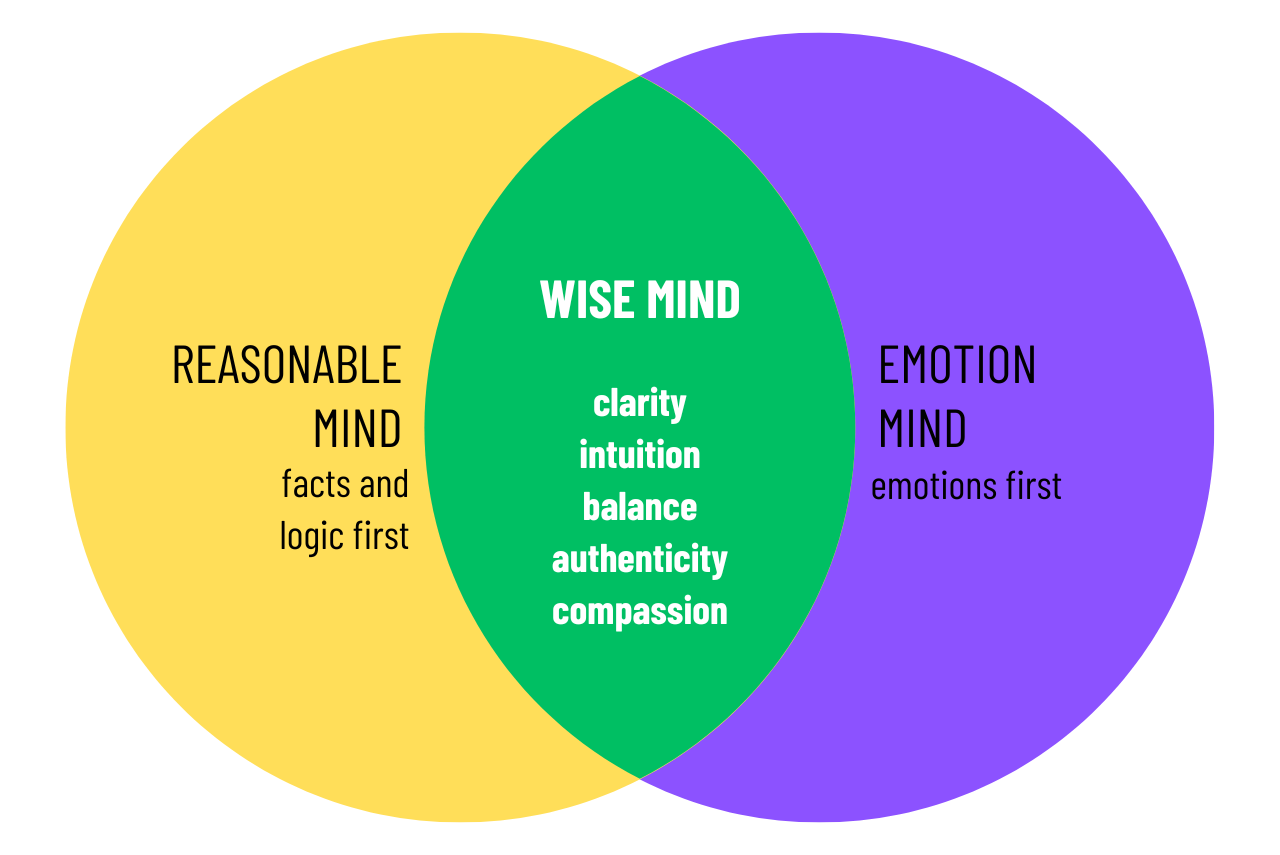
Examples of Life Transitions:
Getting married
Pregnancy or becoming a parent
Divorce or separation
Leaving home or moving to a new place
Empty nest syndrome
Career change or job loss
Health challenges or serious illness
Significant loss (person, pet, or anything important)
Retirement
Why Do Transitions Feel Overwhelming?
Change can feel like stepping into the unknown. Our minds naturally crave predictability, so when the familiar shifts, we may feel anxious, vulnerable, or even mourn the life we once had. Sometimes this stress can show up as trouble sleeping, changes in appetite, or even feelings of depression or anxiety. When it becomes too much to handle on your own, it may even meet the criteria for an adjustment disorder, which is a normal response to major life changes (O'Donnell et al., 2019).
Finding the Silver Lining
Though change can be challenging, it also carries opportunities for growth. Research shows that successfully navigating transitions can strengthen resilience, boost confidence, and increase emotional awareness (Peng et al., 2025). You may discover new skills, uncover what truly matters to you, or develop a deeper sense of self. Even transitions we didn’t choose can bring unexpected benefits.
Coping with Change: Evidence-Based Strategies
Here are ways to care for yourself and navigate life’s transitions with compassion and clarity:
Acknowledge Your Emotions: Allow yourself to feel whatever arises—fear, sadness, excitement, or relief. Naming your emotions validates them and begins the healing process.
Reach Out for Support: Lean on friends, family, or support groups. Sharing your experience reminds you that you are not alone.
Practice Self-Compassion: Be gentle with yourself. Adjusting to change takes time, and it’s okay to stumble along the way.
Take Care of Your Body: Sleep, nutrition, and movement all influence your emotional well-being. A healthy body supports a resilient mind.
Use Active Coping Strategies: Problem-solving, goal-setting, or positive reframing can help you feel more in control of your new circumstances (Sundqvist et al., 2024).
Reflect on Your Values: Clarifying what matters most to you can guide your decisions and help you move forward with intention.
Build New Routines: Small, consistent habits create stability amidst uncertainty.
Allow Yourself Time: Life transitions are a journey. Celebrate small wins and notice how you grow along the way.
When to Seek Professional Help
If the stress of change feels unmanageable, or if you notice persistent sadness, anxiety, or thoughts of self-harm, reach out for professional support immediately. Therapists can provide a safe space to explore your emotions, develop coping strategies, and navigate life’s transitions with guidance and care (Novaković et al., 2025).
At Summit Family Therapy, we honor the courage it takes to face life’s transitions. You do not have to navigate these changes alone. Together, we can explore your feelings, clarify your goals, and help you move forward with hope and confidence.
Sources
O'Donnell, M. L., et al. (2019). Adjustment Disorder: Current Developments and Future Directions. International Review of Psychiatry.
Novaković, I. Z., et al. (2025). Mental health during and after the COVID-19 pandemic. Psychiatry and Clinical Neurosciences.
Peng, M., et al. (2025). Relationships between emotional intelligence, mental resilience, and adjustment disorder in newly licensed registered nurses. Journal of Advanced Nursing.
Sundqvist, A. J. E., et al. (2024). The influence of educational transitions on loneliness and mental health among emerging adults. Journal of Youth and Adolescence.
Parola, A., et al. (2025). Resources and personal adjustment for career transitions in adolescents. Journal of Vocational Behavior.

PTSD vs. C-PTSD: Understanding the Differences
When people talk about trauma, the term “PTSD” often comes up. But in recent years, another diagnosis has gained recognition: Complex Post-Traumatic Stress Disorder (C-PTSD). While both involve the lasting impact of trauma, they are not the same. Understanding the differences can help individuals find the right kind of support and healing.
When people talk about trauma, the term “PTSD” often comes up. But in recent years, another diagnosis has gained recognition: Complex Post-Traumatic Stress Disorder (C-PTSD). While both involve the lasting impact of trauma, they are not the same. Understanding the differences can help individuals find the right kind of support and healing.
What is PTSD?
Post-Traumatic Stress Disorder (PTSD) typically develops after experiencing or witnessing a single traumatic event—or a few distinct traumatic events. These events often involve life-threatening situations, such as:
Military combat
Natural disasters
Serious accidents
Assault or violent crime
Symptoms of PTSD often include:
Flashbacks or intrusive memories
Nightmares
Hypervigilance or being “on edge”
Avoidance of reminders of the trauma
Emotional numbing or detachment
PTSD is the mind and body’s way of staying on alert after something overwhelming and unsafe has happened.
What is C-PTSD?
Complex PTSD (C-PTSD) develops from ongoing or repeated trauma over time, especially in situations where a person feels trapped and powerless. This might include:
Chronic childhood abuse or neglect
Domestic violence
Long-term captivity, trafficking, or oppression
Repeated emotional, physical, or sexual abuse
In addition to the core PTSD symptoms, people with C-PTSD often experience:
Deep shame or guilt
Difficulty trusting others
A negative self-image (“I’m worthless,” “I’m broken”)
Emotional regulation struggles (intense anger, sadness, or numbness)
Persistent feelings of helplessness or hopelessness
Challenges with relationships and attachment
While PTSD may feel like the nervous system is “stuck in the past,” C-PTSD often feels like trauma has woven itself into a person’s sense of identity and daily life.
Why the Distinction Matters
Recognizing the difference between PTSD and C-PTSD is important for healing. Traditional PTSD treatments may not fully address the relational wounds, shame, and chronic stress patterns seen in C-PTSD. Complex trauma often requires a slower, gentler, and relationship-focused approach to restore safety and self-worth.
Pathways to Healing
The good news is that both PTSD and C-PTSD are treatable. Therapy can help you reconnect with your body, process memories safely, and begin to rewrite the story trauma has left behind. Helpful approaches may include:
EMDR (Eye Movement Desensitization and Reprocessing)
Somatic and body-based therapies
Trauma-informed cognitive or narrative therapy
Supportive group therapy or community connection
Final Thoughts
Whether you identify with PTSD or C-PTSD, you are not alone—and what happened to you does not define your worth. Healing may look different for each person, but with the right support, it is possible to find peace, strength, and connection again.
At Summit Family Therapy, I specialize in working with trauma survivors, helping them gently rebuild safety, self-trust, and resilience. If you’re ready to take the next step in your healing journey, I invite you to schedule a session with me, Dr. Courtney Stivers.

When Life Hits Hard: How Critical Incident Stress Debriefing Can Help
Life is complex enough, but there are moments when it suddenly becomes even more overwhelming. These moments are what we call a crisis. A crisis often feels traumatic, and in an instant, our lives are altered forever. It could be a terrorist attack, a violent crime, a natural disaster, or another event that strikes deeply.
Life is complex enough, but there are moments when it suddenly becomes even more overwhelming. These moments are what we call a crisis. A crisis often feels traumatic, and in an instant, our lives are altered forever. It could be a terrorist attack, a violent crime, a natural disaster, or another event that strikes deeply.
When a crisis happens in a shared space—like a workplace, school, sporting event, or office—it becomes a collective tragedy. For example, when staff at a factory witnessed a coworker injured in a violent industrial accident, the impact rippled through the entire team. Recognizing the need to support their employees, the management reached out to a trained professional to conduct a Critical Incident Stress Debriefing (CISD).
What is a CISD?
As a mental health professional, I facilitate CISDs to help individuals and groups process traumatic events. During a CISD, we discuss what happened, what we are feeling, and how we can begin to heal. The first step is creating a safe, confidential space where participants can openly share their experiences and start to explore the question: “Where do we go from here?”
CISDs are flexible—they can occur immediately after a crisis, a week later, or even years after the event. While a CISD is not psychotherapy, it serves as an opportunity for emotional repair and education, helping participants understand that their reactions are normal. Human beings are not built to handle crises effortlessly, so it’s expected that our emotional and physical responses may feel intense or confusing.
What Happens During a CISD
Sharing Thoughts and Feelings: Participants describe what they experienced and how they are feeling now. This helps normalize their reactions and fosters connection.
Educational Component: We discuss common stress reactions and coping strategies, helping participants understand their responses to trauma.
Questions and Discussion: Participants ask questions, often uncovering insights that strengthen the healing process.
Referrals for Further Support: If needed, participants are connected with mental health professionals for additional care.
A CISD is a starting point for healing, giving people a structured environment to process life when it has thrown its hardest punches. It reminds us that while we cannot always control what happens, we can take meaningful steps toward understanding, connection, and recovery.