


The Fourth “F” — Fawning
Most people are familiar with the classic trauma responses: fight, flight, and freeze. But trauma research has increasingly recognized a fourth response that often hides in plain sight: fawning.
Most people are familiar with the classic trauma responses: fight, flight, and freeze. But trauma research has increasingly recognized a fourth response that often hides in plain sight: fawning.
In her book Fawning: Why the Need to Please Makes Us Lose Ourselves — and How to Find Our Way Back, psychologist Dr. Ingrid Clayton describes fawning as a hybrid trauma adaptation—a subconscious survival strategy in which a person moves toward the source of threat rather than away from it. Instead of protecting ourselves through avoidance or defense, we attempt to secure safety by appeasing, pleasing, or over‑accommodating the person who feels unsafe or unpredictable.

What Fawning Is (and Isn’t)
Fawning is often mistaken for people‑pleasing or codependency, but the underlying motivation is different.
People‑pleasing is typically about wanting to be liked.
Codependency involves enmeshment and lack of boundaries.
Fawning, however, is a trauma‑based response rooted in fear, insecurity, and the need for emotional or physical safety.
Fawning shows up when we feel inexplicably drawn closer to someone who causes harm or instability—something that doesn’t make logical sense but makes emotional survival sense. Instead of withdrawing from pain or dysfunction, we move toward it, hoping to minimize conflict or avoid abandonment.
Why Fawning Keeps Us Stuck
Fawning helps explain why people:
Stay in harmful relationships
Remain in toxic workplaces
Tolerate dysfunctional environments
Ignore red flags that seem obvious to others
Like all trauma responses, fawning originally served a purpose—it helped someone survive an unsafe environment. But when it becomes an automatic, lifelong pattern, it can lead to resentment, burnout, loss of identity, and chronic self‑silencing.
Signs You Might Be “Fawning”
If you’ve ever found yourself doing the following, you may be operating from a fawn response:
Apologizing to someone who hurt you in an attempt to defuse tension
Ignoring a partner’s harmful behavior because speaking up feels dangerous
Staying up late or overworking to stay on your boss’s “good side”
Befriending bullies or difficult people to reduce conflict
Worrying constantly about saying the “wrong” thing
Shifting your personality, preferences, or opinions for approval
At its core, fawning is about earning safety through compliance—a strategy that may once have been protective but becomes harmful when it replaces healthy boundaries.
How Therapy Helps Break the Fawn Response
Healing requires learning new ways to experience safety, connection, and self‑expression. Several evidence‑based therapies can support this process:
Cognitive Behavioral Therapy (CBT): Helps identify survival‑based beliefs (“I’m only safe if everyone is happy with me”) and replace them with healthier cognitions.
Dialectical Behavior Therapy (DBT): Strengthens emotional regulation, boundary‑setting, and distress tolerance.
Internal Family Systems (IFS): Helps explore protective parts of the self that developed the fawn response.
Eye Movement Desensitization and Reprocessing (EMDR): Reprocesses traumatic memories that created the pattern.
Somatic Experiencing: Helps the nervous system learn safety through body‑based awareness and regulation.
Fawning is not a character flaw—it’s a trauma imprint. With the right support, people can reconnect with their authentic selves, develop healthy relationships, and rebuild a sense of internal safety.
References
Clayton, I. (2023). Fawning: Why the need to please makes us lose ourselves—and how to find our way back.
Herman, J. L. (2015). Trauma and recovery: The aftermath of violence—from domestic abuse to political terror. Basic Books.
Linehan, M. M. (2015). DBT skills training manual (2nd ed.). Guilford Press.
Porges, S. W. (2011). The polyvagal theory: Neurophysiological foundations of emotions, attachment, communication, and self-regulation. W. W. Norton.
Schwartz, R. C. (2021). No bad parts: Healing trauma and restoring wholeness with the internal family systems model. Sounds True.
Shapiro, F. (2018). Eye movement desensitization and reprocessing (EMDR) therapy (3rd ed.): Basic principles, protocols, and procedures. Guilford Press.
van der Kolk, B. A. (2014). The body keeps the score: Brain, mind, and body in the healing of trauma. Viking.

The Silent Weight Men Carry
“Suck it up, butter cup.”
“Rub some dirt in it.”
Most men have heard some version of these lines, little slogans wrapped in toughness and handed to boys long before they ever understand what they mean. Years ago, someone said I was “the least masculine employee.” To this day, I still don’t know what that’s supposed to mean.
“Suck it up, butter cup.”
“Rub some dirt in it.”
Most men have heard some version of these lines, little slogans wrapped in toughness and handed to boys long before they ever understand what they mean. Years ago, someone said I was “the least masculine employee.” To this day, I still don’t know what that’s supposed to mean.
Some men reading this may already be rolling their eyes or getting ready to accuse me of being woke. But stay with me, because what I’m talking about isn’t politics. It’s pain. It’s shame. It’s the quiet, suffocating struggle that too many men carry alone.

The Shame That Chokes
The shame men feel about seeking mental health support in our culture is palpable. In fact, it’s choking the life out of men who desperately need help but don’t feel allowed to ask for it. We’ve placed this bizarre expectation on men to “have it all together,” as if being male somehow comes with a manual for emotional invincibility.
Understanding the origins of these cultural expectations is important, but that’s a paper for another day. Today, I want to speak from the heart and from years of working with men from every walk of life.
The High Cost of Silence
I’ve worked with hundreds of men and boys, and nearly all of them have struggled under the same pressure:
Be strong.
Don’t cry.
Hold it together.
Don’t let them see you sweat.
I see this pressure at its most intense in first‑responder and military communities. These men are expected to have the answers, rise to the occasion, and if necessary, even meet violence with violence. But ask them how they’re feeling? Suggest that they practice self‑care or see a therapist? Some would rather walk it off even if they’re metaphorically (or literally) bleeding out.
Think Monty Python’s “It’s only a flesh wound” scene from the Holy Grail. That’s how a lot of men treat emotional injuries, as if admitting harm is worse than the harm itself.
Even in faith settings, men are expected to be unwavering pillars, protectors, providers, and leaders. But what happens when they fall short? When they doubt, struggle, or crumble under expectations?
Shame swoops in.
Shame tells them they’re less than other men.
Not good enough.
Not strong enough.
Not smart enough.
Not spiritual enough.
And men begin comparing themselves to other men, it’s what we do, usually while everyone is pretending they’re fine making small talk about the latest game or trend.
So, What Should Men Do?
If you’re a man reading this, here’s a hard but honest question:
Do you know how your behavior and your words impact the people around you?
Sometimes the expectations we cling to, the ones we think make us men, are the very things holding us back from real connection, growth, and emotional depth. It’s possible that what you were taught to value is actually harming your relationships and your own development.
So, here’s the real test of courage:
Can you admit you need help?
Can you take the first vulnerable step toward change?
Because being a man has nothing to do with being the strongest or the most dominant person in the room. It’s about how you show up.
Do people feel secure around you?
Do you act with integrity?
Do your values line up with your behavior?
These are the real markers of strength.
A New Kind of Masculinity
Men deserve deeper connections, richer relationships, and the freedom to be fully human, and not just stoic warriors marching silently toward burnout or breakdown.
If you’ve ever felt like you needed to “suck it up,” maybe today is the day you don’t.
Maybe today is the day you loosen your grip and admit:
“This is heavy, and I can’t carry it alone.”
Because asking for help doesn’t make you weak.
It makes you honest.
It makes you courageous.
And most importantly, it makes you whole.

Hat, Haircut, and Tattoo Decisions: A Better Way to Decide Almost Anything
Years ago, I stood in a store holding a sweater I didn’t need but really liked.
It wasn’t expensive. It wouldn’t change my life. And yet, I stood there debating it like I was deciding whether to quit my job.
At the same time, I was doing the opposite in other areas of my life. I tended to make impulsive, rushed, high-stakes decisions with far less thought than they deserved.
Years ago, I stood in a store holding a sweater I didn’t need but really liked.
It wasn’t expensive. It wouldn’t change my life. And yet, I stood there debating it like I was deciding whether to quit my job.
At the same time, I was doing the opposite in other areas of my life. I tended to make impulsive, rushed, high-stakes decisions with far less thought than they deserved.
I was reminded of this dilemma when presented with the mental model James Clear shares in Atomic Habits: hat, haircut, and tattoo decisions (Clear, 2018).
Once I learned it, I started noticing how often I get decision-making backwards.
The Mental Model
James Clear breaks decisions into three categories:
Hat decisions are easy to reverse. You try them on. If you don’t like them, you take them off.
Haircut decisions take time to undo. You’ll live with the result for a while, but it’s not permanent.
Tattoo decisions are long-lasting or irreversible. They shape your identity and future options.
The issue isn’t poor judgment.
It’s misclassifying the decision.
Hat Decisions: Low Risk, High Learning
Buying the sweater was a hat decision.
The downside was limited. The upside was learning whether I’d actually enjoy wearing it. Either way, the cost of being wrong was small.
Hat decisions tend to be:
Low cost
Reversible
Rich in feedback
And yet, these are the decisions we overthink the most.
We hesitate to:
Try a new routine
Publish a piece of writing
Attend one class or event
Test a new tool or habit
Behavioral science consistently shows that small experiments reduce fear and increase action. This is the foundation of Eric Ries’ Lean Startup methodology, which emphasizes rapid experimentation and learning over premature optimization (Ries, 2011).
Psychologically, this works because it lowers perceived risk and bypasses loss aversion: the tendency to overweight potential losses relative to gains (Kahneman & Tversky, 1979).
Hat decisions aren’t about being right.
They’re about learning quickly.
Haircut Decisions: Commit, Then Revisit
Changing jobs, on the other hand, is not a hat decision.
It’s a haircut.
When I changed roles a few years ago, I knew I wasn’t locking myself into a permanent identity; but I also knew the decision would shape my skills, network, and trajectory for years. There were switching costs. I couldn’t just undo it next week.
Haircut decisions:
Require commitment
Have delayed feedback
Are reversible, but not instantly
Examples include:
Changing roles or career direction
Moving to a new city
Taking on a long-term project
Committing to a serious fitness or financial plan
Research on goal-setting shows that commitment paired with clear review points leads to better outcomes than either indecision or blind persistence (Locke & Latham, 2002).
Instead of asking, “Is this perfect?”
A better question is:
“Can I commit to this for a defined period and reassess honestly?”
Haircut decisions shouldn’t trap you, but they should be taken seriously.
Tattoo Decisions: Slow Down and Zoom Out
Then there are tattoo decisions.
For me, this looked like making a meaningful financial sacrifice early in my career: choosing flexibility and alignment over immediate compensation. That choice closed some doors while opening others.
Tattoo decisions tend to:
Be difficult or impossible to reverse
Shape identity
Influence future options in compounding ways
Examples include:
Marriage
Having children
Starting a company
Taking on significant debt
Publicly anchoring your identity to a role or belief
James Clear emphasizes that identity-based decisions are the hardest to undo, because once something becomes part of who we think we are, it reinforces future behavior (Clear, Identity-Based Habits).
This is why tattoo decisions deserve slowness: not fear, but reflection.
Tattoo decisions aren’t about efficiency.
They’re about alignment.
The Hidden Cost of Category Errors
Most decision-related stress comes from treating the wrong decisions as permanent.
Overthinking hat decisions leads to anxiety and stagnation
Rushing tattoo decisions leads to regret
Cognitive biases help explain why:
Loss aversion magnifies small risks
Social evaluation inflates trivial choices
Present bias downplays long-term consequences (Thaler, 1981)
Clarity returns when you ask:
What kind of decision is this, really?
A Simple Filter
When faced with a difficult choice, ask:
How reversible is this?
What’s the worst (realistic) downside?
What information will I gain by acting?
Then match your speed accordingly:
Hat → act quickly
Haircut → commit with a timeline
Tattoo → slow down and zoom out
Why This Matters for Habits and Growth
Most meaningful change doesn’t begin with a tattoo decision.
It begins with hat decisions repeated consistently.
Research on self-perception theory suggests that we infer identity from behavior, not intention (Bem, 1972). Small actions, repeated over time, quietly reshape how we see ourselves.
By lowering the stakes on most decisions, we make better ones on the few that truly matter.
So buy the sweater - or don’t - but don’t let it drain your energy.
Save that care for the decisions that will still matter years from now.
Does this idea resonate with you? Check out my works cited, or here's a short list of recommendations:
Atomic Habits by James Clear
The foundation. Clear’s work on identity-based habits explains why small, reversible actions compound into permanent change, and where the hat, haircut, tattoo framework fits into a bigger picture.
https://jamesclear.com/atomic-habitsIdentity-Based Habits (Article) by James Clear
A short, high-impact read that clarifies why some decisions feel permanent: once something becomes part of your identity, it’s much harder to undo.
https://jamesclear.com/identity-based-habitsThinking, Fast and Slow by Daniel Kahneman
A classic on how humans misjudge risk and consequence. Especially useful for understanding why we overthink low-stakes decisions and underestimate long-term ones.Hat, Haircut, Tattoo Decisions (Video)
A clear, accessible breakdown of the framework in video form. Great if you want a quick refresher or prefer visual explanations.
https://www.youtube.com/watch?v=AHIXRo7zICM

The Grieving Body: How Loss Lives in the Body
Grief is one of the most painful and disorienting human experiences. Many describe it as feeling as though a part of themselves has been cut away—an absence so profound it is felt not only emotionally, but physically. In The Grieving Brain, psychologist and neuroscientist Mary‑Frances O’Connor, PhD, offers compelling scientific and clinical insight into why grief feels the way it does and how loss fundamentally reshapes the body and brain.
A Book Review of The Grieving Body By Mary‑Frances O’Connor, PhD.
Grief is one of the most painful and disorienting human experiences. Many describe it as feeling as though a part of themselves has been cut away—an absence so profound it is felt not only emotionally, but physically. In The Grieving Brain, psychologist and neuroscientist Mary‑Frances O’Connor, PhD, offers compelling scientific and clinical insight into why grief feels the way it does and how loss fundamentally reshapes the body and brain.
O’Connor’s work challenges the common misconception that grief is “all in our head.” Instead, she demonstrates that grief is a whole‑body experience, rooted in biology, attachment, and survival.
Grief as a Biological Experience
According to O’Connor, bereavement activates powerful physiological responses. The death of a loved one can trigger increased heart rate, elevated blood pressure, heightened stress hormones, and inflammatory processes throughout the body. These responses occur because close relationships are not simply emotional bonds—they are part of our survival system.
Humans are wired for attachment. When we form a close bond, our nervous systems become attuned to another person’s presence, habits, and rhythms. Over time, the brain comes to rely on that relationship in ways that operate largely outside of conscious awareness. The sudden loss of that bond places the body into a state of alarm, as though something essential to survival has disappeared.
This helps explain why grief can feel so physically distressing: the body is reacting to danger, not metaphor.
The Loneliness of Loss and the Brain’s Search
One of O’Connor’s central themes is the brain’s effort to make sense of absence. After a loss, the world can feel painfully unfamiliar. Widows and widowers often describe a deep loneliness that cannot be easily named—not merely the absence of companionship, but the absence of a shared reality.
O’Connor explains that grief is not just cognitive (“I know they are gone”), but also emotional and neurological. The brain continuously predicts where our loved one will be, how they will respond, and how we will move through the world together. After a death, the brain must repeatedly confront the mismatch between expectation and reality.
This ongoing process of recalibration is exhausting and can leave grieving individuals feeling confused, unfocused, or emotionally overwhelmed.
The Body Keeps the Score of Loss
A particularly sobering contribution of The Grieving Brain is O’Connor’s discussion of the physical risks associated with bereavement. Research shows that chronic health conditions may emerge or worsen sooner following the death of a loved one. The prolonged stress of grief can accelerate inflammation, weaken immune functioning, and exacerbate underlying medical vulnerabilities.
O’Connor highlights the well‑documented “widowhood effect,” which shows a significantly increased risk of illness and mortality following spousal loss. In the first one to three months after a wife’s death, a surviving husband’s risk of death approximately doubles. Following a husband’s death, a surviving wife’s risk increases by approximately 50 percent. While this elevated risk decreases over time, bereavement is clearly a period of heightened physical vulnerability.
In rare but real cases, sudden cardiac events—sometimes referred to as “broken heart syndrome”—can occur following acute emotional loss.
Clinical Implications and Compassionate Care
O’Connor’s work carries an important message for both clinicians and bereaved individuals: grief deserves medical and psychological attention. Survivors are often encouraged to “be strong” or “move on,” yet the science suggests the opposite—grief requires care, monitoring, and compassion.
Medical follow‑ups, mental health support, and reduced self‑criticism during early bereavement are not indulgent; they are protective. Understanding grief as a biological process may also relieve some of the shame grieving individuals feel when their bodies seem to “betray” them.
A Grounded, Hopeful Perspective
While The Grieving Brain is rooted in neuroscience, it is ultimately a deeply humane work. O’Connor does not offer quick solutions or timelines. Instead, she emphasizes that adaptation after loss takes time and that the brain is capable of relearning a world forever changed.
This book is particularly valuable for grief therapists, medical professionals, and anyone navigating loss. It validates the experience of grief as both profoundly painful and deeply human—something that happens not because we are weak, but because we are bonded.
Final Reflections
The Grieving Brain reframes grief as a biological, relational, and survival‑based experience. Mary‑Frances O’Connor reminds us that love does not end when someone dies—and neither does the body’s memory of that love.
Grief lives in the body because love lived there first.

Gaslighting: What It Really Means (And Why We Need to Stop Misusing It)
Have you ever heard someone say, “You’re gaslighting me!” during an argument? These days, the term pops up everywhere—social media, TV shows, even casual conversations. But here’s the thing: gaslighting isn’t just a trendy buzzword. It’s a serious form of psychological manipulation, and when we throw it around carelessly, we risk losing sight of what it really means.
Have you ever heard someone say, “You’re gaslighting me!” during an argument? These days, the term pops up everywhere—social media, TV shows, even casual conversations. But here’s the thing: gaslighting isn’t just a trendy buzzword. It’s a serious form of psychological manipulation, and when we throw it around carelessly, we risk losing sight of what it really means.
Let’s dive deeper into what gaslighting really is, why it’s harmful, how to spot it, and what to do if you’re experiencing it.
What Exactly Is Gaslighting?
Gaslighting is more than lying or disagreeing—it’s a deliberate, ongoing effort to make someone doubt their reality. The term comes from the classic film Gaslight, where a husband manipulates his wife into questioning her sanity by dimming the lights and denying it ever happened.
In real life, gaslighting looks like:
Intentional distortion of reality: “That never happened. You’re imagining things.”
Power imbalance: It often occurs in relationships where one person holds more control.
Long-term impact: Over time, the victim starts questioning their own memory and judgment.
Gaslighting is not a one-time lie or a heated argument. It’s a pattern of behavior designed to erode someone’s confidence in their own perception.
Why Is It So Harmful?
Gaslighting isn’t just frustrating—it’s damaging. Victims often experience:
Loss of self-trust: They stop believing their own thoughts and feelings.
Emotional dependence: The manipulator becomes the “truth-teller.”
Mental health struggles: Anxiety, depression, and trauma are common outcomes.
Imagine constantly second-guessing yourself—wondering if you’re “too sensitive” or “making things up.” That’s the reality for many people who experience gaslighting.
When We Misuse the Term
Here’s the problem: “gaslighting” has become shorthand for any disagreement or lie. That’s not accurate—and it matters. Misusing the term can:
Dilute its meaning: Real victims struggle to be heard when the word is overused.
Create confusion: Not every argument or misunderstanding is gaslighting.
Trivialize abuse: It’s a serious issue, not a casual insult.
Gaslighting requires intent and repetition. A single lie? Not gaslighting. A difference in opinion? Definitely not gaslighting.
How to Spot Gaslighting
If you’re wondering whether you’re experiencing gaslighting, look for these signs:
Repeated denial of facts you know to be true.
Twisting your words to make you feel irrational or “crazy.”
Minimizing your feelings (“You’re too sensitive” or “You’re imagining things”).
Rewriting history to fit their narrative.
Making you question your memory or judgment over time.
Creating dependency so you rely on them for “the truth.”
If these behaviors happen consistently and intentionally, it may be gaslighting—not just a disagreement.
What to Do If You’re Being Gaslighted
Recognizing gaslighting is the first step. Here’s what you can do:
Document what happens: Keep a journal of conversations and events.
Seek outside perspective: Talk to trusted friends or a therapist who can validate your experiences.
Set boundaries: Limit interactions with the person if possible.
Prioritize your mental health: Gaslighting can take a toll—professional support can help you rebuild confidence.
Know when to walk away: In severe cases, leaving the relationship or environment may be necessary for your well-being.
The Bottom Line
Gaslighting is a powerful term for a harmful behavior. Let’s use it carefully. When we understand what it truly means, we can better support those who experience it—and keep our conversations honest and respectful.
References
Abramson, K. (2014). Turning up the lights on gaslighting. Philosophical Perspectives, 28(1), 1–30.
Sweet, P. L. (2019). The sociology of gaslighting. American Sociological Review, 84(5), 851–875.
Sarkis, S. (2018). Gaslighting: Recognize Manipulative and Emotionally Abusive People—and Break Free. Da Capo Lifelong Books.
American Psychological Association. (2023). Gaslighting. APA Dictionary of Psychology. Retrieved from https://dictionary.apa.org/gaslighting

When the News Is Scary: How to Talk with Children About National Events
When distressing national events dominate headlines—violence, disasters, protests, political conflict—children notice. They overhear conversations, catch glimpses of images, and feel the emotional “temperature” at home. As caregivers, we can’t control the news cycle, but we can shape how our families process it—together. Using a developmentally appropriate approach grounded in Family Systems Theory, this guide offers practical, age‑specific strategies you can use today.
When distressing national events dominate headlines—violence, disasters, protests, political conflict—children notice. They overhear conversations, catch glimpses of images, and feel the emotional “temperature” at home. As caregivers, we can’t control the news cycle, but we can shape how our families process it—together. Using a developmentally appropriate approach grounded in Family Systems Theory, this guide offers practical, age‑specific strategies you can use today.
Why Family Systems Theory Helps
Family Systems Theory views the family as an interconnected emotional unit. When something stressful happens out there, the ripple is felt in here. Key ideas:
Emotional contagion & homeostasis: Families seek balance; anxiety in one member can spread, or the system adapts to restore calm.
Differentiation: Each person learns to stay connected while managing their own emotions—crucial during crises.
Boundaries & roles: Clear, compassionate boundaries protect children; parents lead, children aren’t burdened with adult worries.
Triangles: Under stress, two people may pull in a third (e.g., child becomes a “go‑between” for upset adults). It’s our job to untriangle children and keep adult conflict adult.
Family rituals: Predictable routines and shared practices (mealtimes, check‑ins, bedtime rituals) reinforce safety and connection.
Core Principles for Any Age
Regulate first, then relate.
Children borrow our nervous system. Take a breath, lower your volume, and slow your pace before talking.Lead with safety and truth.
Offer simple, honest, age‑appropriate facts. Avoid alarming details or graphic images.Follow their questions.
Ask what they’ve heard or noticed. Clarify misconceptions; don’t overshare beyond their curiosity.Name feelings, normalize reactions.
“It’s okay to feel worried. Lots of people feel that way when scary things happen.”Limit media exposure.
Turn off autoplay and background news; co‑view when appropriate and debrief.Protect boundaries.
Adult fears, political debates, and worst‑case speculations stay with adults—not children.Return to routine.
Consistency is calming: meals, school, play, sleep.
What to Say: Age‑by‑Age Guidance
Ages 2–5 (Early Childhood)
Goal: Safety, reassurance, and very simple explanations.
Script:
“Something sad happened far away. You are safe here. Grown‑ups are working to help.”Do: Comfort with touch, keep routines, use play for expression (drawing, blocks, pretend).
Don’t: Show graphic footage or lengthy news; avoid abstract explanations they can’t grasp.
Family Systems Tip: Maintain soothing rituals (bath, bedtime story). Your calm presence restores family homeostasis.
Ages 6–8 (Early Elementary)
Goal: Concrete facts, emotional labeling, basic coping skills.
Script:
“You may hear about people getting hurt in another city. Helpers are there. We’re making sure our family is safe.”Do: Ask what they’ve heard; correct misinformation; teach “stop–breathe–name the feeling.”
Don’t: Offer speculative “what ifs.” Keep the focus local and practical.
Family Systems Tip: Reinforce roles—parents handle safety plans; kids share feelings and questions.
Ages 9–12 (Late Elementary/Middle)
Goal: Context, empathy, and guided problem‑solving.
Script:
“Events like this can be complicated. People feel many things—sad, angry, confused. Let’s talk about what’s true and what’s rumor.”Do: Discuss media literacy (credible sources vs. clickbait), brainstorm age‑appropriate actions (write a card, donate allowance, kindness projects).
Don’t: Offload adult political arguments onto children.
Family Systems Tip: Prevent triangles—if adults disagree, don’t recruit the child to “take sides.” Model respectful dialogue.
Ages 13–15 (Early Adolescence)
Goal: Nuance, civic understanding, values clarification, emotion regulation.
Script:
“You’re seeing posts and videos fast. Let’s slow down and fact‑check. How do our family values guide our response?”Do: Validate strong emotions; co‑create a social media plan; encourage constructive engagement (school clubs, volunteering).
Don’t: Minimize (“It’s not a big deal”). Avoid doom‑scrolling together.
Family Systems Tip: Support differentiation—invite perspectives without making teens responsible for adult anxieties.
Ages 16–18 (Late Adolescence)
Goal: Critical thinking, agency, and balanced participation.
Script:
“If you want to attend a vigil or discuss this at school, let’s plan for safety, accurate information, and self‑care.”Do: Explore multiple sources; discuss peaceful advocacy; set boundaries for debate at home.
Don’t: Shame or silence divergent views. Avoid catastrophizing.
Family Systems Tip: Maintain connection + boundaries—respect growing autonomy while keeping family rituals intact.
A 5‑Step Family Conversation Framework
Check‑in (Parent self‑regulation):
“I’m feeling a bit tense. I’m going to take a slow breath so I can listen well.”Open‑ended prompt:
“What have you heard or noticed about what’s happening?”Validate + clarify:
“It makes sense to feel uneasy. Here’s what’s accurate… and here’s what we don’t know yet.”Safety + plan:
“You are safe here. Our plan is… (limit media, keep routine, one family check‑in tonight).”Coping + closing ritual:
“Let’s do three calm breaths and read together before bed.”
Media & Social Feed Guidelines (Family Agreement)
No autoplay news in shared spaces.
Co‑view significant updates; pause and discuss.
Time‑bounded checks (e.g., 15 minutes after dinner).
Teens: verify before reposting; avoid graphic content; curate follows to credible sources.
End the day with a non‑news activity.
When Emotions Run High: Practical Tools
Body reset: 5–5–5 breath (inhale 5, hold 5, exhale 5) x3.
Name it to tame it: “I feel ___ because ___; I need ___.”
Movement: Walk, stretch, throw a ball—co‑regulate together.
Containment: Worry box or journal; set “news hours,” not all day.
Connection bids: Short, frequent touches—tea together, brief check‑ins.
Special Situations
Recent family trauma or loss: Keep explanations minimal, emphasize present safety; increase supportive contact and professional care when needed.
Household disagreements about the event: Adults resolve conflict away from children; present a unified message of safety and respect.
Community exposure (school discussions, vigils): Prepare your child in advance; debrief after; re‑establish routine quickly.
What Not to Do (Common Pitfalls)
Over‑sharing adult fears or worst‑case scenarios.
Treating older kids like mini‑adults or younger kids like unaware.
Using children to mediate adult conflict (triangling).
Leaving the TV/news on in the background.
Abandoning routines “until things calm down.”
A Closing Word
Children don’t need a perfectly calm world; they need consistent, connected adults who can help them make sense of a complex one. When families respond with clarity, compassion, and good boundaries, children learn a lifelong skill: how to stay grounded, stay connected, and think clearly—even when the world feels upsetting.
Further Reading (Selected)
Bowen, M. (1978). Family Therapy in Clinical Practice.
Minuchin, S. (1974). Families and Family Therapy.
American Academy of Pediatrics (AAP). Media Use Guidelines & Talking to Children about Tragedies.
National Association of School Psychologists (NASP). Talking to Children About Violence: Tips for Parents and Teachers.
Foy, D., & McCloskey, L. (2016). Trauma‑Informed Parenting.

The Quiet Power of Friendship: Why We Need Each Other More Than Ever
As a therapist, I’m often reminded that some of the most important healing doesn’t happen in my office. Healing happens over cups of coffee, in late-night phone calls, during shared laughter, or when someone says, “I’m here. Tell me what’s going on” or “I support you.”
As a therapist, I’m often reminded that some of the most important healing doesn’t happen in my office. Healing happens over cups of coffee, in late-night phone calls, during shared laughter, or when someone says, “I’m here. Tell me what’s going on” or “I support you.”
Friendship is not just a social luxury. It's an essential component of mental and emotional well-being. Research consistently shows that meaningful social connection is one of the strongest predictors of life satisfaction, resilience, and even physical health. And yet, in a world that prizes independence and busyness, many of us underestimate the quiet power of friendship.
This season I want to explore why investing in healthy friendship matters, and why nurturing these bonds is one of the healthiest choices you can make.
Friendship Supports Emotional Well-Being
Humans are wired for connection. Supportive friendships create a sense of belonging, which reduces feelings of loneliness and isolation. Even a single close relationship can significantly lower stress levels and improve our sense of stability.
Studies show that people with strong social ties have:
Better self-esteem
A stronger sense of purpose
Higher levels of happiness
Greater life satisfaction
Friends remind us that we don’t have to carry life alone.
Friendship Protects Mental Health
The benefits aren’t just emotional, they’re biological. Supportive relationships have been linked to lower cortisol (the stress hormone), better emotional regulation, and reduced symptoms of anxiety and depression.
Friendship acts like a buffer between us and the stressful events of life. When we know we have someone to lean on, challenges feel more manageable.
And importantly: the quality of friendships matters more than the quantity.
A few deep, trusted relationships often offer more support than dozens of casual acquaintances.
Friendship Strengthens Physical Health, Too
Decades of research show consistent patterns: socially connected people tend to live longer, recover more quickly from illness, and have lower rates of chronic health conditions such as high blood pressure.
Why?
Because feeling supported lowers stress, encourages healthy habits, and strengthens the immune system. Friendship, in many ways, is preventative medicine.
Why Friendship Is Especially Important During Transitions
Life transitions often shake our sense of identity. New jobs, moves, parenthood, relationship changes, grief can leave us feeling untethered.
In these moments, healthy friendships provide continuity. They remind us of who we are, what we value, and how much we matter.
If you’re going through a challenging season, consider asking yourself: Who in my life offers comfort, grounding, and perspective? And have I reached out lately?
An Invitation
If friendship has slipped to the bottom of your priority list, as it often does for busy adults, it’s worth revisiting. Even small steps matter: a text message, a short check-in call, or setting a date to reconnect.
Your mental health will thank you.
Want to Learn More About Friendship & Mental Health?
If you’re curious about how friendships support emotional well-being, these resources are a great place to start:
Platonic by Dr. Marisa G. Franco
A compassionate, research-based book about building and maintaining meaningful friendships as an adult.
Friendship by Lydia Denworth
Explores the science behind why connection matters for our mental and physical health.
Mayo Clinic: “Friendships: Enrich Your Life and Improve Your Health”
A clear, easy-to-read overview of how friendships reduce stress, improve mood, and support overall well-being.
A short, engaging video about what helps friendships thrive over time.
Looks at the link between social connection, health, and longevity.

Estrangement and Fractured Families
Family estrangement is one of the most emotionally painful and least openly discussed experiences individuals face across the lifespan. Estrangement is commonly defined as the cessation or significant reduction of regular contact between two or more family members (Agllias, 2017). While often assumed to be permanent, estrangement can be fluid—relationships may move in and out of periods of distance, reconciliation, and renewed rupture over time.
Family estrangement is one of the most emotionally painful and least openly discussed experiences individuals face across the lifespan. Estrangement is commonly defined as the cessation or significant reduction of regular contact between two or more family members (Agllias, 2017). While often assumed to be permanent, estrangement can be fluid—relationships may move in and out of periods of distance, reconciliation, and renewed rupture over time.
Despite its prevalence, estrangement remains highly stigmatized. Many individuals hesitate to speak about fractured family relationships due to the pervasive cultural belief that others have “perfect families.” This silence can deepen feelings of shame, isolation, and self‑doubt, particularly when the estrangement was not mutually chosen.
One‑Sided Estrangement and Adult Child–Parent Relationships
Estrangements can be especially difficult when they feel one‑sided, such as when an adult child decides that the relationship with a parent is too emotionally harmful or complex to maintain. Adult children may choose distance to protect themselves from ongoing conflict, criticism, boundary violations, or unresolved trauma. Parents, in turn, may experience confusion, grief, anger, or disbelief, interpreting the cutoff as rejection or betrayal rather than self‑preservation.
Research suggests that many adult‑initiated estrangements stem from longstanding relational patterns rather than isolated events, including unmet emotional needs, poor communication, or perceived lack of acceptance (Carr et al., 2015).
Intergenerational Patterns of Estrangement
For some families, estrangement is not an isolated occurrence but part of a repeating intergenerational cycle—grandfather to father, father to son. These patterns often reflect unresolved family trauma, rigid relational roles, or inherited beliefs about power, loyalty, and closeness. Without intervention or conscious effort, these fractured dynamics can be unintentionally passed down, normalizing emotional cutoff as a means of conflict resolution.
Values Conflicts and Fear of Rejection
Fear of estrangement may also arise before a rupture occurs, particularly when an adult child makes lifestyle choices that differ sharply from parental values. Differences related to identity, relationships, religion, cultural norms, or personal beliefs can strain family bonds. Individuals may feel torn between authenticity and belonging, asking themselves:
Is it better to stand firm when I cannot change my beliefs, or can I continue to love someone while not approving of their decisions?
These tensions highlight the complexity of family relationships and the emotional labor required to balance personal integrity with relational connection.
Emotional Impact of Estrangement
Family estrangement can evoke emotions similar to ambiguous loss—grief without closure. Individuals may experience sadness, guilt, anger, relief, or a confusing mix of all four. Holidays, life milestones, and social comparisons often intensify this pain, reinforcing the sense of being “different” or excluded from a societal ideal of family unity (Boss, 2006).
Moving Forward: Care, Compassion, and Support
Regardless of the specific circumstances, it is essential to recognize that family estrangement is more common than commonly acknowledged—and that those experiencing it are not alone. Prioritizing self‑care, establishing supportive relationships outside the family system, and seeking professional counseling can help individuals process grief, clarify boundaries, and navigate decisions around contact or reconciliation.
Healing does not require minimizing pain or forcing forgiveness. Instead, it involves honoring one’s emotional experience, cultivating self‑compassion, and making choices that support long‑term well‑being.
References
Agllias, K. (2017). Missing families: The adult child’s experience of parental estrangement. Journal of Social Work Practice, 31(4), 459–474. https://doi.org/10.1080/02650533.2017.1326476
Boss, P. (2006). Loss, trauma, and resilience: Therapeutic work with ambiguous loss. W. W. Norton & Company.
Carr, K., Holman, A., Abetz, J., & Kellas, J. (2015). Giving voice to the silence of family estrangement. Journal of Family Communication, 15(2), 135–152. https://doi.org/10.1080/15267431.2015.1013106
Hill, J. (2023). Family estrangement: Establishing boundaries and navigating loss. Psychology Today. https://www.psychologytoday.com

8 Practical Tips for Navigating Separation and Divorce During the Holidays
The holiday season is often portrayed as joyful and magical—but for those navigating separation or divorce, it can feel overwhelming. Traditions change, family dynamics shift, and financial stress may increase. If you’re struggling, you’re not alone. Research shows that intentional coping strategies can help you manage stress and find moments of peace during this transition.
Introduction: Why the Holidays Can Be Hard After Divorce
The holiday season is often portrayed as joyful and magical—but for those navigating separation or divorce, it can feel overwhelming. Traditions change, family dynamics shift, and financial stress may increase. If you’re struggling, you’re not alone. Research shows that intentional coping strategies can help you manage stress and find moments of peace during this transition.
In this post, we’ll explore 8 practical, research-backed tips for navigating divorce during the holidays—so you can protect your emotional health and create meaningful experiences.

1. Give Yourself Permission to Feel
It’s normal to experience a mix of emotions—sadness, anger, relief, or even guilt. Suppressing feelings often leads to more stress, while acknowledging them promotes healing.
Tip: Journal your thoughts or share them with a trusted friend. Naming your emotions reduces their intensity and helps you process them.
2. Practice Mindfulness to Stay Grounded
Mindfulness techniques like deep breathing and short meditations can calm racing thoughts and ease anxiety. Even five minutes can make a difference.
Tip: Use apps like Headspace or Calm for guided practices you can do anywhere.
3. Set Clear Boundaries Early
Boundaries protect your emotional energy and reduce conflict. Communicate holiday plans with co-parents and family ahead of time to avoid last-minute stress.
Tip: Use simple, respectful language: “I appreciate the invite, but I need to keep things low-key this year.”
4. Create New Traditions
Old traditions may feel painful right now. Research shows that creating new rituals fosters resilience and a sense of control.
Tip: Start something small—a holiday movie night, baking cookies with your kids, or volunteering together.
5. Keep Expectations Realistic
You don’t have to make the holidays “perfect.” Focus on what matters most: connection and peace.
Tip: Choose one or two meaningful activities instead of trying to do everything.
6. Manage Financial Stress
Divorce often brings financial strain, and holiday spending can add pressure.
Tip: Set a realistic budget and prioritize experiences over expensive gifts. Remember, presence matters more than presents.
7. Lean on Your Support System
Social support is a powerful buffer against stress. Reach out to friends, family, or a therapist when you need to talk.
Tip: If you feel isolated, consider joining a divorce support group—many meet virtually.
8. Take Care of Your Body
Physical health impacts emotional well-being. Regular movement, balanced meals, and adequate sleep help stabilize mood and reduce stress.
Tip: Even a short walk outside can boost your mood and energy.
Final Thoughts
Navigating separation or divorce during the holidays is challenging—but it doesn’t have to steal your joy. By setting boundaries, creating new traditions, and caring for yourself, you can make this season a time of healing and hope.
References
Amato, P. R. (2010). Research on divorce: Continuing trends and new developments. Journal of Marriage and Family, 72(3), 650–666.
Archuleta, K. L., Dale, A., & Spann, S. M. (2013). College students and financial distress: Exploring debt, financial satisfaction, and financial anxiety. Journal of Financial Counseling and Planning, 24(2), 50–62.
Kabat-Zinn, J. (2003). Mindfulness-based interventions in context: Past, present, and future. Clinical Psychology: Science and Practice, 10(2), 144–156.
Minuchin, S. (1974). Families and family therapy. Harvard University Press.
Walsh, F. (2016). Family resilience: A developmental perspective. Family Process, 55(3), 616–632.

Setting Healthy Boundaries During the Holidays : Why it matters, and how to do it without guilt.
The holidays can be a beautiful time of connection, but they can also bring stress, overstimulation, and complicated family dynamics. I find this season especially challenging because expectations seem to increase, while my personal bandwidth decreases. Can you relate?
The holidays can be a beautiful time of connection, but they can also bring stress, overstimulation, and complicated family dynamics. I find this season especially challenging because expectations seem to increase, while my personal bandwidth decreases. Can you relate?
This is exactly why the holidays are one of the most important times to set boundaries. My boundaries exist not to distance myself from the people I love, but to stay grounded, emotionally safe, and genuinely present.

Why Holiday Boundaries Matter
The holidays often come with:
packed schedules
emotional triggers
financial pressure
family expectations
social obligations
travel stress
less time for rest
Even joyful moments can feel heavy if you don’t have enough space to recover, recharge, or take care of yourself. Boundaries help you protect your energy so you can actually enjoy the parts of the season that matter to you.
A boundary is simply:
A limit that protects your well-being.
Not a rule for others, but a guideline for you.
Common Holiday Boundary Struggles
If any of these resonate, you’re not alone:
Feeling obligated to attend every event
Pressure to spend money you don’t have
Being around relatives who drain you emotionally
Comments about your body, relationship status, or life choices
Feeling guilty saying no
Old roles resurfacing (“the fixer,” “the peacemaker,” “the responsible one”)
Needing downtime but afraid to disappoint others
The holidays often activate old patterns. Boundaries help you create new ones.
How to Set Holiday Boundaries (without guilt)
1. Check in with yourself first
Before saying yes out of pressure or habit, ask:
What do I actually have the energy for?
What events matter most to me?
What am I doing out of obligation, fear, or guilt?
Clarity makes boundary setting much easier.
2. Choose what you want to protect
This might be:
your time
your finances
your emotional safety
your rest
your peace
your physical space
your kids’ boundaries
your sobriety
your healing
Your boundaries should honor and protect what matters most to you.
3. Communicate simply and clearly
Holiday boundaries don’t require long explanations.
Short, kind statements work best.
Try:
“I’m not able to attend, but thank you for inviting me.”
“We’re keeping gifts simple this year.”
“I’m stepping away for some quiet time.”
“Let’s avoid that topic today. It's sensitive for me.”
“I’m coming for two hours, then heading home to rest.”
4. Prepare for some pushback, and stay calm
When you change a pattern, others may need time to adjust. Their reaction is about their expectations, not your worth.
Healthy people respect healthy boundaries.
5. Follow through
A boundary only works when you honor it, even if it feels uncomfortable.
If you say you’re leaving by 8:00, and you leave by 8:00, you reinforce your own sense of safety and self-trust.
Holiday Boundary Scripts for Real Situations
When someone pushes you to attend an event:
“Thanks for including me. I’m keeping my schedule lighter this year, so I’m not able to come.”
When money is tight:
“We’re doing small or handmade gifts this year. Thank you for understanding.”
When a family member comments on your body or life choices:
“I’m not discussing that.”
If they continue: “If this keeps coming up, I’ll need to step out for a bit.”
When you need a break:
“I’m going to take a little quiet time. I’ll be back in a bit.”
When you want a shorter visit:
“I can come between 3 and 5.”
(Notice this is a boundary, not a negotiation.)
When alcohol will be present and you’re not drinking:
“I’m not drinking today, but I’m happy to be here with everyone.”
When family conflict arises:
“I want to enjoy our time together. I’m not engaging in arguments today.”
A Compassionate Reminder
You are not responsible for managing everyone’s emotions this holiday season.
You’re responsible for taking care of your nervous system, your energy, and your emotional well-being.
Your boundaries don’t make you difficult.
Your boundaries allow you to show up as your most grounded, present, and authentic self, and that is a gift to everyone around you.
The Clock & The Calendar
These are not real names of clients. These are fictional characters rooted in source material from this author’s varied careers in his life before becoming a psychotherapist.
Patrick couldn't stay any longer. With crops to harvest and with matters busy at home, he no longer had time for the Roscoe Stetson Card & Hunt Club that operated outside of Roscoe's old family cabin. Patrick now had a wife and child. Patrick now had responsibilities. Texas Hold Em was now a Hold Up.
Author’s Note: These are not real names of clients. These are fictional characters rooted in source material from this author’s varied careers in his life before becoming a psychotherapist.
Patrick couldn't stay any longer. With crops to harvest and with matters busy at home, he no longer had time for the Roscoe Stetson Card & Hunt Club that operated outside of Roscoe's old family cabin. Patrick now had a wife and child. Patrick now had responsibilities. Texas Hold Em was now a Hold Up.
Jayne couldn't stand her anymore. She whined. The past years of high school cheer and the dance team were gone. She couldn't bear to hear what her old friend had to say. They were now night and day different. She needed to guard her time. People depended on her as the CFO for the farm. There was no more cheer. Her old friend that she was lifted high on the pyramid by no longer held her up.
Bert couldn’t stand it. His organic farming operation, his timeshare in Florida, and his new hybrid vehicle were all collecting greenbacks. The APR on his credit card to finance the hybrid and the timeshare was not an ally at this time. His back up against the wall. His grandfather, if he still were alive would have said the following to him. “Bertie, you can’t go down every road you see. Otherwise, your never gon to get anywhere.” Bert found himself scratching his head as he looked at his bank account app…wondering how he got here.
These are twenty-first century stories of how things change. Frequently we fail to see that when seasons change we must adapt to what we value not what we used to value. Both David, the Psalmist, and the 1960s rock group the Byrds understood this concept well. We come across points where we need to change how we view both the clock and the calendar differently and our dollars differently.
Our decisions reflect our values…what motivates us to success or failure tends to be guided by values. If compassion is a value you have, then compassion is likely to motivate you to go on a humanitarian journey or mission trip to a foreign country where a natural disaster has taken place to provide relief for the effected place and people. If you value family, maybe just being back to your house for dinner before 6pm is a priority. If you value quality, you’re going to be an intentional planner and worker. You’ll be following plans you made closely and you’ll have an ownership on everything you do. If you value faith, you’ll be spending time in prayer and connecting with the Word.
It all has logic, doesn’t it. If you value something, you’ll do it, you’ll chose it. However, in our world of 2025 we tend to get distracted by all sorts of things. Scrolling on our smartphones there’s an advertisement for everything. A distraction for every adult and child on demand. However, these distractions are just free dopamine: a neurotransmitter. Dopamine is a pleasure chemical we get when we engage in certain behaviors. Unfortunately, dopamine has an appeal that we misplace as a priority rather than what we value. Consider those three folks I mentioned at the start of this piece.
Jayne, Bert, and Patrick were all facing different priorities. The old priorities of their past though weren’t going to make it with what they valued currently. A friend of mine is 92 years old. He has written likely 1,000,000 words in his life in various journals, professional magazines, he is a medical doctor by training. He valued preserving and at times saving people’s lives. His life has been a joy filled one as he remained rooted in his values.
Jayne’s old friend, Patrick’s cardsharking, and Bert’s spending were not in alignment with their new values. A pal of mine once said it best: “Hobbies migrate and priorities change as we age.” The reality of this situation is that frequently we must audit what we prioritize to discover if the clock and the calendar are ruling us. If that is the case, we must change our priorities, re-actualize our values, so we manage the clock and the calendar for our best interest and the best interest of our families.

The Gottman Concept of 6 Magic Hours: How Six Hours a Week Can Transform Your Relationship
Renowned relationship researcher Dr. John Gottman discovered that the difference between couples who thrive and those who struggle isn’t grand gestures—it’s six intentional hours per week spent nurturing the relationship. This concept, often called the “6 Magic Hours,” is grounded in decades of empirical research on marital stability and the Sound Relationship House Theory.
Renowned relationship researcher Dr. John Gottman discovered that the difference between couples who thrive and those who struggle isn’t grand gestures—it’s six intentional hours per week spent nurturing the relationship. This concept, often called the “6 Magic Hours,” is grounded in decades of empirical research on marital stability and the Sound Relationship House Theory.
What Are the 6 Magic Hours?
Gottman’s research revealed that couples who improved their relationships after attending workshops weren’t making dramatic changes—they were simply devoting an extra six hours per week to connection. These hours are broken down into small, manageable rituals:
1. Partings (10 minutes/week)
Before saying goodbye in the morning, learn one thing about your partner’s day—such as a meeting or lunch plan. This builds emotional awareness and connection.
2. Reunions (1 hour 40 minutes/week)
End the day with a six-second kiss and a 20-minute stress-reducing conversation. This ritual helps partners transition from work stress to home life and fosters empathy.
3. Appreciation & Admiration (35 minutes/week)
Express gratitude daily. Gottman recommends an admiration journal to record positive traits and actions, which strengthens the “culture of appreciation” in the relationship.
4. Affection (35 minutes/week)
Non-sexual physical affection—like cuddling or holding hands—reinforces emotional and physical intimacy.
5. Weekly Date (2 hours/week)
Dedicate time for fun and novelty without distractions. This could be a walk, dinner, or tech-free evening.
6. State of the Union Meeting (1 hour/week)
This is a weekly one-hour check-in where couples calmly discuss their relationship in a structured, positive way. It starts with sharing appreciation, then moves to addressing concerns using “I” statements, problem-solving together, and planning for the week ahead. The goal is to prevent conflict buildup, strengthen emotional intimacy, and maintain open communication. Research shows that this ritual reduces stress and improves relationship satisfaction by creating a safe space for connection.
Why It Works: The Research Behind It
The Gottman Method is supported by over four decades of longitudinal studies on couples. Findings show that consistent micro-moments of connection—rather than occasional grand gestures—predict relationship satisfaction and resilience against stress. Outcome studies confirm that Gottman-based interventions improve intimacy, trust, and conflict management across diverse populations.
Practical Tips to Implement the 6 Magic Hours
Schedule these rituals into your calendar.
Start small—focus on partings and reunions first.
Use tech-free zones during these moments for full presence.
Reflect weekly on what worked and what needs adjustment.
The Gottman 6 Magic Hours offer a simple, research-backed way to strengthen your relationship without overwhelming your schedule. By dedicating just six intentional hours each week to meaningful rituals—like daily partings, reunions, appreciation, affection, a weekly date, and a State of the Union meeting—you can build trust, intimacy, and resilience. These small, consistent actions create lasting connection and help prevent conflict before it starts. Ready to transform your relationship? Start your 6 Magic Hours today and experience the difference.

Barriers to Mental Health Treatment for Autistic Clients: What Therapists Typically Get Wrong About Autism
Despite increasing awareness of autism spectrum disorder (ASD), significant barriers persist in mental health treatment for autistic clients. Many therapists lack adequate training and knowledge about autism, leading to misinterpretations and ineffective interventions. This post addresss recent research and clinical insights to highlight common pitfalls in therapy for autistic individuals and offers evidence-based recommendations for improvement.
Despite increasing awareness of autism spectrum disorder (ASD), significant barriers persist in mental health treatment for autistic clients. Many therapists lack adequate training and knowledge about autism, leading to misinterpretations and ineffective interventions. This post addresss recent research and clinical insights to highlight common pitfalls in therapy for autistic individuals and offers evidence-based recommendations for improvement.

Insufficient Training and Knowledge Among Therapists
Research consistently demonstrates that most mental health professionals receive minimal formal education on autism. For example, Lipinski et al. (2021) surveyed 498 psychotherapists in Germany and found that only 2% reported being highly knowledgeable about autism, while 53% had very little autism-specific psychotherapeutic training. Furthermore, 27% did not know where to seek support when working with autistic clients. Notably, education about ADHD was similarly lacking.
A Canadian study by Gallant et al. (2023) surveyed 577 community mental health clinicians and found that clinicians felt significantly less knowledgeable and confident supporting autistic clients compared to those with ADHD. While some treatment adaptations such as increased structure, predictability, shortened sessions, and the use of special interests were implemented, these often occurred without formal training. Other shortcomings included reduced confidence in listening to autistic concerns, issues with demonstrating empathy towards clients, difficulty in applying mental health knowledge, and struggles with effectively utilizing interventions.
Harmful Misinterpretations in Therapy
Therapists may inadvertently harm autistic clients by applying neurotypical frameworks to interpret autistic behaviors. Jones (2024) outlines several common misinterpretations:
Labeling needs for consistency or justice sensitivity as manipulative or narcissistic
Mischaracterizing meltdowns as tantrums
Interpreting alexithymia and executive functioning challenges as resistance or denial
Dismissing pattern recognition and anticipatory dread as magical thinking or OCD
Viewing sensory sensitivities as histrionic or emotionally stunted
Seeing shutdowns or overwhelm as refusal or sulking
Labeling stimming as anxiety
Attributing the realities of neurodivergence to victim mentality or self-pity
Misdiagnosing black-and-white thinking as borderline personality disorder
Calling sensitivity to internal bodily experiences hypochondria
Mistaking autistic burnout for chronic depression
Writing off irritability due to sensory hyposensitivities as a negative mindset or anger issues
Such misinterpretations can lead to inappropriate interventions and reinforce stigma.
Systemic Issues and the Impact of Masking
Therapeutic approaches that place responsibility solely on the client such as framing the autistic individual as the "problem" fail to address systemic barriers. This can result in autistic clients feeling responsible for others' emotions, which in turn, perpetuates overthinking and isolation. Minimizing or denying the reality of being autistic (e.g., "You're too smart/social/successful to be autistic" or "Everyone is a bit autistic") further invalidates clients' experiences.
Encouraging masking or "pushing through" behaviors can suppress regulatory behaviors like stimming and necessary self-care, leading to burnout, depression, and increased suicidality (Jones, 2024). Therapists must recognize the dangers of masking and support authentic self-expression.
Recommendations for Practice
To improve outcomes for autistic clients, therapists should:
Pursue specialized training in autism and neurodiversity
Adapt sessions for structure, predictability, and sensory needs
Use concrete language and capitalize on clients' strengths and interests
Involve family and support systems in therapy
Avoid neurotypical assumptions and validate autistic experiences
Recognize and address systemic barriers, not just individual challenges
Conclusion
Addressing barriers to mental health treatment for autistic clients requires systemic change in therapist education, clinical practice, and societal attitudes. By integrating research-based adaptations and fostering genuine understanding, therapists can provide more effective and empathetic care.
References
Gallant, C., Roudbarani, F., Ibrahim, A., et al. (2023). Clinician Knowledge, Confidence, and Treatment Practices in Their Provision of Psychotherapy to Autistic Youth and Youth with ADHD. Journal of Autism and Developmental Disorders, 53, 4214–4228. https://doi.org/10.1007/s10803-022-05722-9
Jones, S. (2024). The Autistic Survival Guide to Therapy. Jessica Kingsley Publishers
Lipinski, S., Boegl, K., Blanke, E. S., Suenkel, U., & Dziobek, I. (2021). A blind spot in mental healthcare? Psychotherapists lack education and expertise for the support of adults on the autism spectrum. Autism, 26(6), 1509-1521. https://doi.org/10.1177/13623613211057973

Honoring Our Grief & Loss
Grief is not about the absence of someone. Grief and sorrow are about all the moments that were and what could have been that gather like storm clouds - the endless possibilities. Grief is the waves that crash over us - unrelenting in the first moments - taking us under into the darkness with no direction. The waves can reduce their intensity and shape but can awaken at the most unexpected moments. These moments are often described as a dull ache, losing our breath, or falling suddenly.
The Waves
Grief is not about the absence of someone. Grief and sorrow are about all the moments that were and what could have been that gather like storm clouds - the endless possibilities. Grief is the waves that crash over us - unrelenting in the first moments - taking us under into the darkness with no direction. The waves can reduce their intensity and shape but can awaken at the most unexpected moments. These moments are often described as a dull ache, losing our breath, or falling suddenly.
Joan Didion stated in The Year of Magical Thinking, “[g]rief is different. Grief has no distance. Grief comes in waves, paroxysms, sudden apprehension that weaken the knees and blind the eyes and obliterate the dailiness of life. Virtually everyone who has ever experienced grief mentions this phenomenon of “waves.”
The Tangle that Is the Grief Journey
We were taught that our grief journey progresses with Elisabeth Kübler-Ross’s Five Stages of Grief: denial, anger, bargaining, depression, acceptance (The Five Stages of Mourning by Kubler Ross). Instead, we must consider that our grief journey cannot be found in a simple straight line from point A to point B - pain to peace - as much as we would want this. Grief comes with twists and turns that may feel like we take one step forward and 10 steps back - much like the image below. Grief is an essay, not a multiple choice answer, because the journey is deeply personal - only our own. We would not want it any other way.

Strength in our Words
Take a moment to pull apart the emotions that are enclosed in the waves because they could be more than sadness. It takes strength and courage to take our emotions out of the box to reflect and consider before placing them back in the box. Without this process, we could lose ourselves in the grief. A Chinese proverb states that “you cannot prevent the birds of sorrow from flying over your head, but you can prevent them from building nests in your hair.”
We want to prevent the “nest” in our hair by taking the first small step to hold our grief gently and carefully - speaking and sharing into existence in a safe space. Our words can become the buoy that can hold us together in the storm. Our tears can bear witness to our love and loss. In time, you can even recognize and anticipate the waves - our triggers - waiting around the bend. Our words matter. Our words are powerful. Our memories give us strength to hold the photographs, visit the cemetery, acknowledge the birthdays, wrap the holiday presents, and hug those present in our lives who also walk in a similar path because they also are navigating their own storm.
“You were merely wishing for the end of pain, the monster said. Your own pain. An end to how it isolated you. It is the most human wish of all.”
― Patrick Ness, A Monster Calls
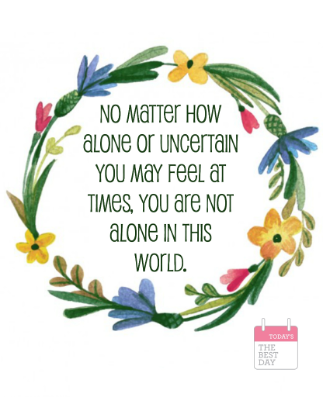
You Are Not Alone
Grief isolates. The waves pull us out far into the sea where all sound is muffled except for the crashing of the waves. Light only shines sporadically. We are pulled under and panic to reach for something or someone to hold us up. Our thoughts in these moments are not truthful.
You do not have to navigate grief alone.
What can help?
Communication with family and friends
Quiet, safe spaces to breathe
Crying
Being present for the activities that bring us joy
Journaling
Asking questions for clarification of what happened
Building a network of support - at home, at work, at school
Consider speaking to a counselor
Be honest with yourself and others
Recognize all the other losses that occur with one loss (losing community due to moving, job loss, loss of friendship, etc)
Resources
Association for Death Education and Counseling - http://www.adec.org/adec/default.aspx
Center for Loss & Life Transition - https://www.centerforloss.com/
Helping Teens Work Through Grief, Second Edition - Mary Kelly Perschy
Teen Grief : Coping with the Loss of a Loved One – Hospice of the Valley - https://www.hov.org/media/1555/teengrief.pdf
The Dougy Center: The National Center for Grieving Children and Families - http://www.dougy.org/

Summit Family Therapy Wins Best Counseling Center in Peoria!
We are excited to announce that Summit Family Therapy, a leading provider of mental health counseling in Peoria, Illinois, has been honored with the Official 2025 Community Choice Award for Best Counseling Center! This recognition reflects our dedication to delivering compassionate, evidence-based therapy services for individuals, couples, and families.
We are excited to announce that Summit Family Therapy, a leading provider of mental health counseling in Peoria, Illinois, has been honored with the Official 2025 Community Choice Award for Best Counseling Center! This recognition reflects our dedication to delivering compassionate, evidence-based therapy services for individuals, couples, and families.

Why This Award Matters
Mental health is essential for overall well-being, and this award highlights the importance of accessible, high-quality care. At Summit Family Therapy, our mission is to create a safe, supportive environment where clients can heal, grow, and thrive. Whether you’re seeking anxiety counseling, family therapy, or relationship support, we are here to help.
Our Commitment to Peoria and Beyond
As a trusted Peoria counseling center, we believe in breaking the stigma around mental health and empowering our community. This award is a testament to the hard work of our dedicated therapists and the trust of our clients.
Thank You for Your Support
We couldn’t have achieved this without YOU—our clients, partners, and supporters. Your encouragement inspires us to keep raising the bar for mental health care.



Understanding Emotional Affairs: Dynamics, Risks, and Recovery
Emotional affairs are one of the most overlooked threats to relationship health. While they don’t involve physical intimacy, they can be just as damaging—sometimes even more so. In today’s digital world, where social media and constant connectivity blur boundaries, emotional infidelity is becoming increasingly common. If you’ve ever wondered what an emotional affair is, why it happens, and how to protect your relationship, this article will give you the answers. We’ll explore the psychology behind emotional affairs, their impact on trust and intimacy, and practical strategies for prevention and healing.
Emotional affairs are intimate, non-physical relationships that cross boundaries of trust within committed partnerships. While they lack sexual involvement, emotional affairs often involve secrecy, emotional intimacy, and a diversion of relational energy away from the primary relationship. In today’s digital age, constant connectivity blurs the lines between friendship and intimacy, making emotional affairs increasingly common. Unlike platonic friendships, these relationships typically involve a level of closeness that rivals or surpasses that of the committed partner, often accompanied by secrecy and idealization (Glass & Wright, 1992). This dynamic can erode trust and destabilize the foundation of a committed relationship, even without physical contact.
An emotional affair is characterized by emotional intimacy, secrecy, and boundary violations. Individuals share personal thoughts, feelings, and vulnerabilities that are usually reserved for their partner, while concealing the depth of the relationship. Emotional energy is redirected away from the primary relationship toward another person (Olson et al., 2012). Although sexual infidelity is often viewed as more severe, research indicates that emotional betrayal can be equally damaging to relationship satisfaction and trust (Whisman et al., 2007).
Several psychological factors contribute to emotional affairs. Unmet emotional needs within the primary relationship often lead individuals to seek validation elsewhere. Opportunity and accessibility through social media and workplace interactions create environments conducive to emotional closeness (Cravens et al., 2013). Idealization also plays a role, as individuals project ideal qualities onto the other person, creating a sense of escape from relational stressors. These dynamics can result in significant consequences, including erosion of trust, decreased intimacy, and heightened conflict when the affair is discovered (Glass, 2003).
Preventing emotional affairs requires proactive strategies. Couples should establish clear boundaries about what constitutes appropriate emotional sharing outside the relationship. Enhancing communication about emotional needs and expectations fosters transparency and reduces secrecy. If an emotional affair occurs, rebuilding trust through accountability and consistent behavior is essential. Professional support, such as couples therapy, can help address underlying issues and restore relational health (Gottman & Silver, 2015).
Emotional affairs challenge the integrity of committed relationships by diverting emotional intimacy and trust. Recognizing the signs, understanding the psychological dynamics, and implementing proactive strategies can help couples protect and strengthen their bond.
Are you concerned about how your relationships are impacting your primary relationship? Or are you worried your partner is having an emotional affair?
Emotional affairs can quietly erode trust and intimacy, leaving couples feeling disconnected and betrayed. The good news? Awareness and proactive communication can prevent these situations before they start. By setting clear boundaries, prioritizing emotional needs within your relationship, and seeking professional support when necessary, couples can strengthen their bond and protect their partnership. If you suspect an emotional affair or want to learn more about rebuilding trust, consider reaching out to a licensed therapist. At Summit Family Therapy, we specialize in helping individuals and couples navigate these challenges and create healthier, more fulfilling relationships.

The Challenges of Making Friends as an Adult: Barriers and Strategies for Connection
Friendship is a critical component of psychological well-being, yet adults often struggle to form new social bonds. This article examines the unique challenges adults face in building friendships, including structural, psychological, and cultural factors, and provides evidence-based strategies to foster meaningful connections. Recommendations are grounded in research on social psychology, mental health, and adult development.
Friendship is a critical component of psychological well-being, yet adults often struggle to form new social bonds. This article examines the unique challenges adults face in building friendships, including structural, psychological, and cultural factors, and provides evidence-based strategies to foster meaningful connections. Recommendations are grounded in research on social psychology, mental health, and adult development.
Friendship plays a vital role in emotional health, resilience, and life satisfaction (Demir & Davidson, 2013). While childhood and adolescence offer abundant opportunities for social interaction, adulthood introduces barriers such as time constraints, geographic mobility, and shifting priorities. Understanding these challenges and identifying practical strategies is essential for promoting social connectedness and reducing loneliness—a growing public health concern (Holt-Lunstad et al., 2015).

Challenges in Adult Friendship Formation
1. Time Constraints
Work, family, and caregiving responsibilities often leave adults with limited time for social engagement (Rawlins, 2017). Unlike school environments, adulthood lacks structured opportunities for spontaneous interaction.
2. Reduced Social Structures
Educational settings naturally facilitate friendships through shared experiences. In adulthood, these structures diminish, requiring intentional effort to meet new people (Hall, 2019).
3. Fear of Rejection and Vulnerability
Adults may experience heightened anxiety about initiating friendships due to fear of judgment or rejection, particularly in individualistic cultures that emphasize self-sufficiency (Nelson, 2013).
4. Geographic Mobility
Career changes and relocations disrupt established social networks, making it harder to maintain long-term friendships (Oswald & Clark, 2003).
5. Changing Priorities
Adults often prioritize quality over quantity in relationships, seeking deeper connections rather than casual acquaintances (Hall, 2012).
Strategies for Building Friendships
1. Leverage Existing Networks
Reconnecting with acquaintances or colleagues can serve as a foundation for deeper relationships. Research suggests that “weak ties” often lead to meaningful social opportunities (Granovetter, 1973).
2. Engage in Interest-Based Activities
Shared hobbies create natural contexts for interaction. Group activities such as book clubs or volunteer work foster repeated exposure, which is key to friendship development (Montoya et al., 2006).
3. Consistency and Effort
Friendship requires sustained interaction. Regular participation in social activities increases the likelihood of forming bonds (Hall, 2019).
4. Practice Vulnerability
Authenticity and self-disclosure are critical for intimacy in friendships (Reis & Shaver, 1988). Gradual sharing of personal experiences builds trust. Brené Brown has an excellent video (see below) that explains her marble jar theory of how trust is built over time, through small moments and consistency.
5. Utilize Technology
Social media and apps can facilitate initial connections, but transitioning to in-person interaction strengthens relational depth (Chan, 2011).
6. Manage Expectations
Not every interaction will result in a close friendship. Viewing social engagement as a process reduces pressure and promotes enjoyment (Nelson, 2013).
Conclusion
Making friends as an adult is challenging but achievable through intentionality, vulnerability, and consistent effort. Strong social connections enhance mental health, reduce loneliness, and improve overall well-being. By understanding barriers and applying evidence-based strategies, adults can cultivate meaningful relationships that enrich their lives.
References
Chan, D. K. (2011). Social networking sites and personal relationships: Online intimacy and offline distance. Cyberpsychology, Behavior, and Social Networking, 14(5), 253–257.
Demir, M., & Davidson, I. (2013). Toward a better understanding of the relationship between friendship and happiness: Perceived responses to capitalization attempts. Journal of Happiness Studies, 14(2), 525–550.
Granovetter, M. S. (1973). The strength of weak ties. American Journal of Sociology, 78(6), 1360–1380.
Hall, J. A. (2012). Friendship standards: The dimensions of ideal expectations. Journal of Social and Personal Relationships, 29(7), 884–907.
Hall, J. A. (2019). How many hours does it take to make a friend? Journal of Social and Personal Relationships, 36(4), 1278–1296.
Holt-Lunstad, J., Smith, T. B., Baker, M., Harris, T., & Stephenson, D. (2015). Loneliness and social isolation as risk factors for mortality: A meta-analytic review. Perspectives on Psychological Science, 10(2), 227–237.
Nelson, L. J. (2013). Emerging adulthood and college students’ identity development. Journal of College Student Development, 54(5), 556–570.
Oswald, D. L., & Clark, E. M. (2003). Best friends forever? High school best friendships and the transition to college. Personal Relationships, 10(2), 187–196.
Rawlins, W. K. (2017). Friendship matters: Communication, dialectics, and the life course. Transaction Publishers.
Reis, H. T., & Shaver, P. (1988). Intimacy as an interpersonal process. In S. Duck (Ed.), Handbook of personal relationships (pp. 367–389). Wiley.

KPOP Demon Hunters: Masking, People-Pleasing, and Internalized Shame
The three main characters in KPOP Demon Hunters resonate with so many people because they mirror the real life experience of internalized shame and wanting to be accepted for who you really are. They further speak to neurodivergent struggles of masking and people-pleasing.
Image attribution source: https://news.uchicago.edu/story/souls-fandom-and-kpop-demon-hunters
The three main characters in KPOP Demon Hunters resonate with so many people because they mirror the real life experience of internalized shame and wanting to be accepted for who you really are. They further speak to neurodivergent struggles of masking and people-pleasing.
Zoey masks primarily through people-pleasing and a sense of wanting to fit in after spending a childhood of trying to play both sides but being unable to find her own place. She talks about feeling like her thoughts, lyrics, and notebooks were useless and weird before she joined Huntr/x.
Mira masks through a facade of not caring after a childhood where she was labeled “a problem child” who “got too wild.” There is other messaging that implies possible complex trauma from this childhood. Mira embraces this tough facade by outwardly challenging social norms by doing things like showing up to the Met Gala wearing a sleeping bag. Yet deep down she is seeking family and connection more than anything else.
Rumi struggles most with internalized shame and must cover up her true self (masking) due to her patterns from being half-demon. She fears that no one will love her or truly accept her due to seeing herself as a mistake, which was greatly exacerbated by the childhood trauma of Celine repeatedly telling her to cover up her patterns and to not let her faults or fears ever be seen.
The song Golden speaks to their struggles with masking and wanting to be who they were born to be. Rumi sings about wanting to break down the walls that she has used to keep people at a distance and feel like herself. Ultimately, the song Golden speaks to Rumi still falling into the trap of masking due to her wanting to put her patterns in the past and just live like this image that other people see of her. The reality is the patterns are not going anywhere. No amount of trying to be “normal enough” is ever going to change that. So many neurodivergent people have dealt with the similar struggle of trying to appear normal enough only to realize that no matter how hard they mask, “the patterns” will still appear. The harder Rumi pushes herself the more the patterns show up until she hits a breaking point. This is the cycle of masking and pushing too hard for too long and then ending up in burnout that ADHD, Autistic, and other neurodivergent people will struggle with at multiple points in their lives.
Zoey struggles with people-pleasing, a very common neurodivergent masking strategy. She is the placater of the group as she is highly empathetic and does not want to see anyone hurting.
This leads to increasing overwhelm for her when Mira is picking up on Rumi hiding something from them. Zoey wants them to be happy and getting along and blames herself. She falls into the common trap of just trying harder. She tries to fix things by changing her lyrics for the song “Takedown” over and over again, but this only leads to a growing sense that her efforts and therefore her as well are “not enough.” Rumi in turn gets increasingly defensive due to her shame and Mira’s questioning, and she lashes out at Mira. The conflict comes to a head when the demons expose Rumi’s demon patterns on stage. Rumi feels intense overwhelming shame and then has to face being exposed as her true self in front of Mira and Zoey. Due to the shame and overwhelm she does not hear that Mira’s and Zoey’s hurt is due to Rumi not letting them in and lying to them. Instead it is confirmation that she is a mistake. She gets increasingly defensive and panics. This escalates to despair and hopelessness when Mira and Zoey point their weapons at her. Rumi makes one more attempt to seek love and acceptance by talking to Celine only to realize that Celine also does not accept her for who she truly is and cannot love all of her.
Rumi is faced with the situation that so many neurodivergent people fear most of all: once we are exposed as our true selves we will be seen as unloveable. This is the core struggle underlying rejection sensitive dysphoria. Mira and Zoey then face this same core fear when the demon king Gwi-Ma speaks to each of them. For Mira, the shame message is that she does not deserve a family and never has deserved a family. For Zoey the shame message is the painfully familiar one that so many ADHD and Autistic people have internalized “You’re too much. And not enough. You’ll never belong anywhere,” Gwi-Ma then lures her in with a promise of a place to belong. Gwi-Ma also challenges Rumi with more shame messages, “You think you can fix the world? You can’t even fix yourself,” when she shows up to try to stop him.
At this point Rumi has realized the heavy lesson that covering up who she is not the answer. The core wound or conflict for Rumi, Zoey, and Mira is starting to heal through the song,”What it Sounds Like.” Rumi sings first to Mira and Zoey taking accountability for her lies, for hiding who she is, and not letting the people she loves most in. Rumi goes on to sing about how she now sees the beauty in what she previously thought was just her being broken. Her struggles and her patterns also make her who she is. Zoey joins in the song singing “Why did I cover up the colors stuck inside my head?” which is her starting to accept herself for what makes her unique rather than seeing it as weird or useless. Mira joins in singing “I should’ve let the jagged edges meet the light instead” speaking to her wanting to drop the facade. They all sing together about not staying stuck in the shame of having “listened to the demons, we let them get between us” and realizing that they are only able to beat back the demons (both literal and metaphorical) by being and embracing their real and vulnerable selves.

Understanding Anxiety: A Survival Signal, Not a Flaw
Anxiety is universal. Even those who seem cool, calm, and collected experience it. And for good reason — anxiety is necessary for our survival. That’s right: anxiety is necessary.
Is it pleasant? No.
Fun? Not really.
Embarrassing? Sometimes.
But it’s also unavoidable, necessary, and even useful.
The goal isn’t to eliminate anxiety. It’s to understand it, tolerate it, and even use it to our advantage when it shows up.
Anxiety is universal. Even those who seem cool, calm, and collected experience it. And for good reason — anxiety is necessary for our survival. That’s right: anxiety is necessary.
Is it pleasant? No.
Fun? Not really.
Embarrassing? Sometimes.
But it’s also unavoidable, necessary, and even useful.
The goal isn’t to eliminate anxiety. It’s to understand it, tolerate it, and even use it to our advantage when it shows up.
What Exactly Is Anxiety?
Anxiety is our body’s built-in alarm system. It’s the tingle in our toes, the butterflies in our stomach, the sweating, the quickened breath. These physical reactions are our body’s way of saying:
“Hey, pay attention! Something’s going on here.”
Think about our ancient ancestors. Anxiety helped them survive in dangerous, unpredictable environments. Imagine hunting for food — you had to stay alert and aware of every sound and movement. That tingle on the back of your neck could mean the difference between life and death. The racing heart, the adrenaline rush — all of it prepared the body to fight, flee, or freeze.
Thankfully, most of us aren’t dodging predators these days. But our modern “threats” — social situations, deadlines, tests, uncertainty about the future — trigger the same biological response.
Anxiety isn’t a character flaw or personal weakness; it’s biology. We are literally wired to survive. So if you’re one of the “lucky” ones who feels anxiety strongly, give your body a high-five — it’s just doing its job.
When Anxiety Overreacts
Sometimes, though, anxiety misfires. It warns us of danger when there isn’t any. It convinces us to avoid things we actually want to do. It makes us feel stuck, small, or alone.
But here’s the key: anxiety is a messenger, not the enemy.
Once we understand that, we can start building tolerance.
Breaking the Cycle of Avoidance
When we feel anxious or uncomfortable, our instinct is to avoid whatever’s causing it. Avoidance gives us temporary relief — we feel better for a moment, so our brain learns, “Ah, that worked!”
Unfortunately, this reinforces the idea that the situation was dangerous. The next time we face something similar, the anxiety hits even harder. This creates a cycle of anxiety → avoidance → more anxiety.
To break that cycle, we have to do something counterintuitive:
Face the discomfort — on purpose.
Building Tolerance Through Practice
One of the most effective ways to manage anxiety is to increase our tolerance by gradually placing ourselves in anxiety-provoking situations.
Yes, it’s uncomfortable — but that’s the point. Growth always feels that way at first. When the anxiety rises, remind yourself:
“I can handle this. This isn’t actually dangerous.”
Try small “comfort zone challenges” to build that muscle:
Start a conversation with a stranger.
Try a new hobby that feels intimidating.
Attend an event alone.
Share your opinion.
Take a cold shower.
Wear something you wouldn’t normally wear.
As you do, notice what happens in your body — where you feel the tension, what thoughts arise. Then, a few minutes later, notice how the intensity starts to fade.
You’re surviving the moment — and that’s how tolerance grows.
The Bottom Line
Anxiety isn’t a flaw to fix — it’s a signal to understand. When we learn to listen to it, tolerate it, and move through it, we reclaim our power.
Anxiety may never disappear entirely, but it doesn’t have to control your life. You can coexist with it — and even thrive because of it.
Would you like some more support to guide you through your recovery? Reach out to our office today and make an appointment.

Can You Fix Your Family?
I have noticed a significant reoccurring pattern in several of my client’s stories these past few weeks and thought it might be helpful to share my thoughts on this with others.
There are some amazing families out there who are loving, securely attached, have healthy boundaries, and fulfill individual emotional needs in balanced ways.
The short answer is no. You cannot fix your family.
I have noticed a significant reoccurring pattern in several of my client’s stories these past few weeks and thought it might be helpful to share my thoughts on this with others.
There are some amazing families out there who are loving, securely attached, have healthy boundaries, and fulfill individual emotional needs in balanced ways. They handle big feelings and give grace for the human imperfections that are in even the best of us. They address conflicts and repair hurts in relationships. Yet, many of the adult clients who end up in my office do not come from such a family. Often, a big part of their recovery is identifying patterns they learned from their family of origin, such as attachment styles, communication, and handling conflict.

I love this quote from Brené Brown, Rising Strong, about an exercise that she does with people:
“Folks write down the name of someone who fills them with frustration, disappointment, and/or resentment, and then I propose that their person is doing the best he or she can. The responses have been wide-ranging...One woman said, 'If this was true and my mother was doing the best she can, I would be grief-stricken. I'd rather be angry than sad, so it's easier to believe she's letting me down on purpose than grieve the fact that my mother is never going to be who I need her to be.'"
The bad news is that you cannot heal the dysfunction in the family you grew up in. If that was hard to read, read it again. It is not your role to save your parents/caregivers now, nor should it ever have been your job growing up. Let that responsibility go. It is keeping you stuck, sick, and sad. Maybe they will change and maybe they won’t. It is not up to you and it never was.
There is a very real grief process that comes along with the acceptance of that reality. All of us have expectations and dreams about what we hope life looks like, and this includes our family relationships. To lead healthy and wholehearted lives, we must make peace with the very real limits of others.
The good news is that you can change your own life.
You can grow.
You can parent differently and stop those generational patterns.
You can accept yourself as worthy of love and belonging.
You can freely give empathy because of the struggles you endured.
You are not doomed to repeat the past.
You can learn new ways to communicate.
You can set boundaries.
You can take the good parts of your family and limit the parts that are harmful.
You can make a new family.
You can cultivate authentic relationships based on love, emotional/physical safety, deep connection, grace, compassion, courage, joy, and showing up for each other. Not sure where to start? Give our office a call at 309-713-1485.